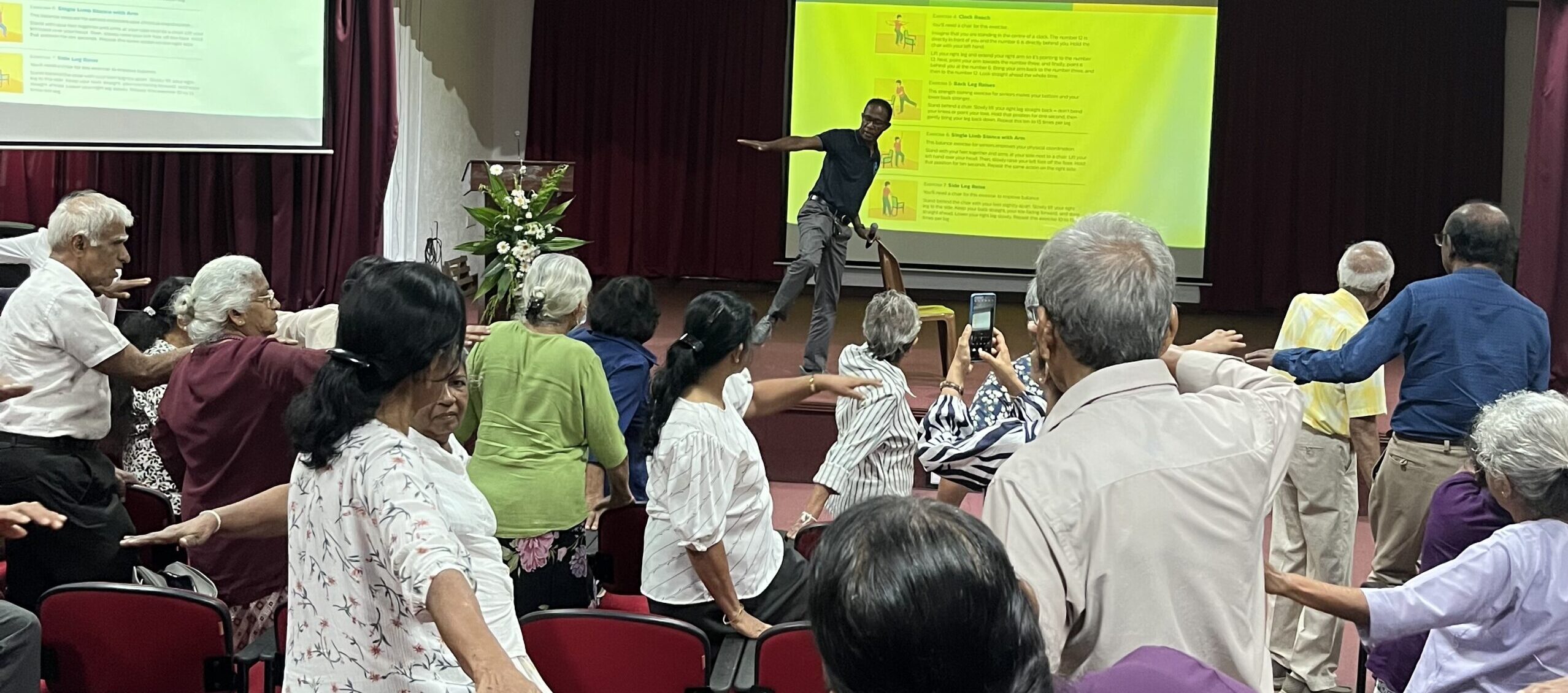
The topic of ageing societies is not new to Sri Lanka. Population projections point to a much higher proportion of the elderly in the near future with one estimate suggesting that the share of those over 60 years of age would overtake the share of children within the next decade. This trend is also not unique to the country. Many Asian nations are expected to “grow older before becoming rich” which could potentially hurt economic growth, job markets and already strained government budgets. That said, Sri Lanka is set to confront this challenge much sooner than its neighbours.
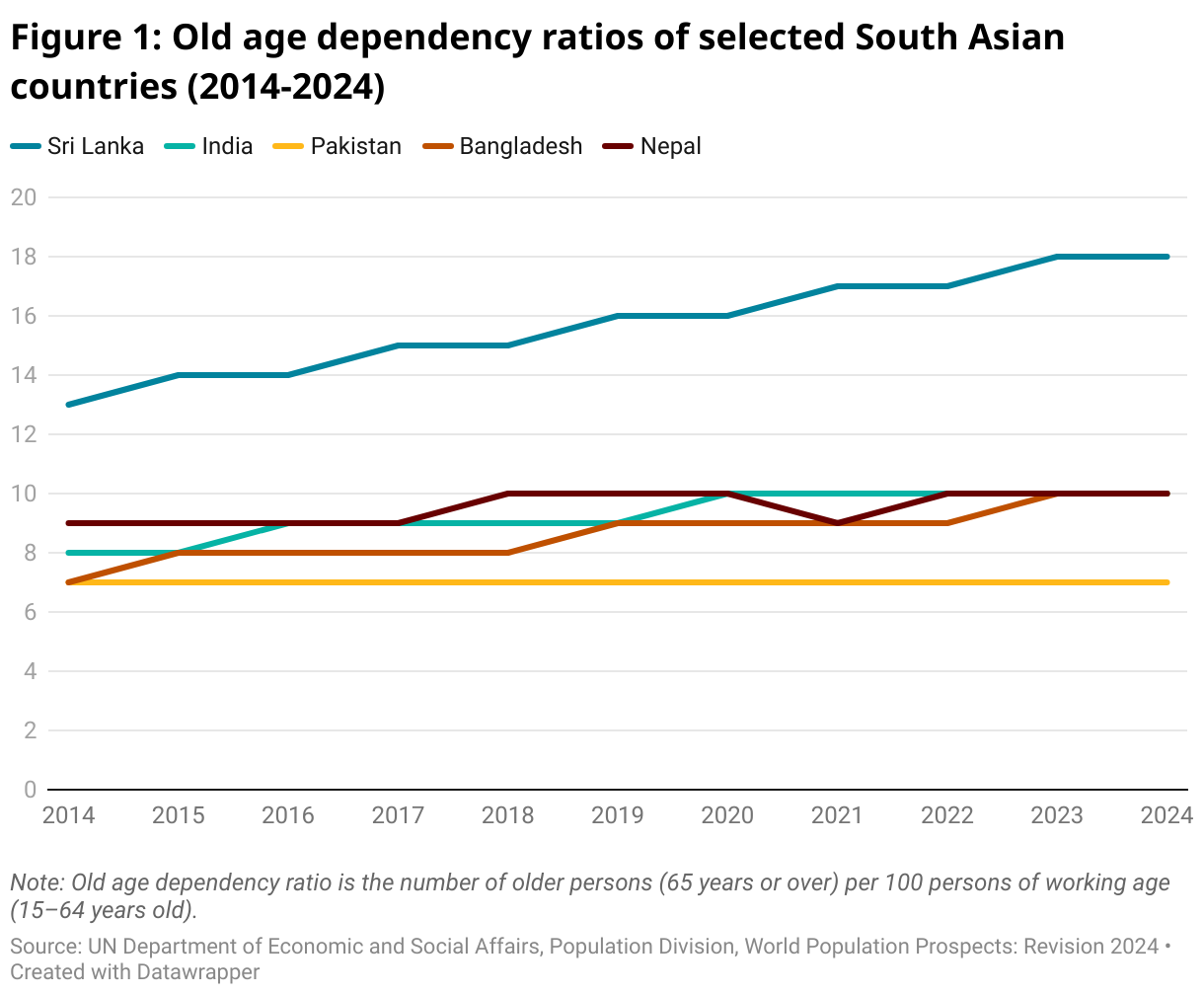
Sri Lanka’s government has long since recognised the risks of this demographic transition with the first National Policy for Senior Citizens being published as early as 2006. Several other policy documents have followed, but major gaps continue to exist in policy implementation.
Bracing for an ageing population requires Sri Lanka first to acknowledge its constraints. Similar to other low- and middle-income economies, the country faces a range of competing development needs and pressing economic challenges that prevent a rapid expansion in public health and welfare services. Another unique feature lies within the older population itself. National statistics in Sri Lanka show that the elderly are more likely to be in poverty compared to younger age groups whereas in the wealthiest economies, the reverse tends to hold true. This is not surprising as many people in poorer economies face low, insecure wages and have limited access to old age savings schemes.
As such, Sri Lanka is compelled to prioritise the most urgent issues and at-risk groups. Preventive measures to tackle poor health and financial vulnerability in later years are also key. And in the face of limited government finances, collaborations with businesses, local communities and the development sector remain crucial for providing essential services. Among the areas that could be prioritised are health and wellbeing, financial security and social relations.
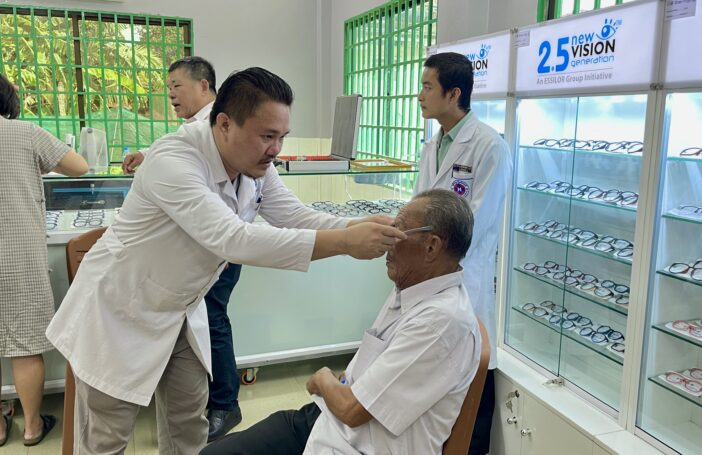
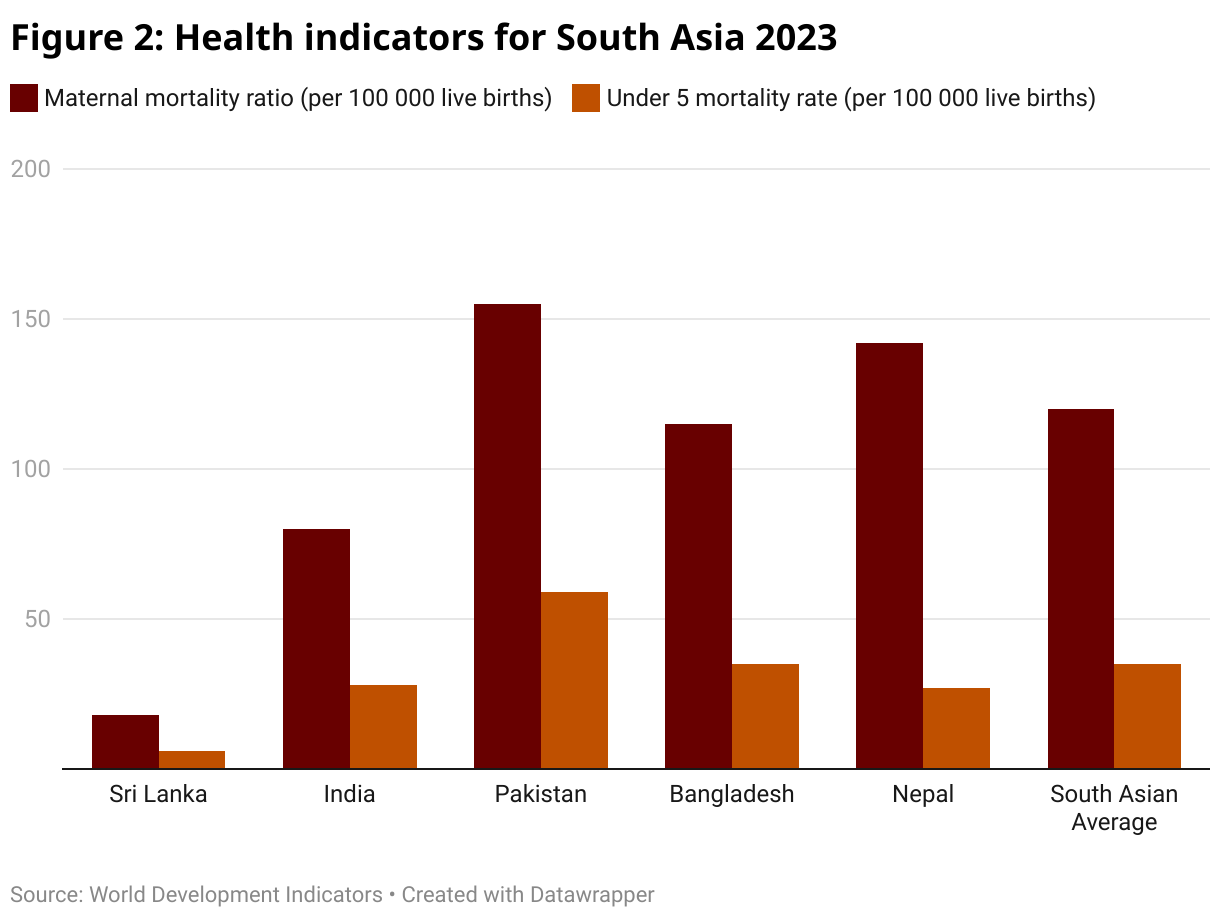
Sri Lanka’s free healthcare system has long since out-performed its peers in maternal and child health outcomes. But much remains to be done in adapting this system to cater to an elderly population.
The 2017 National Elderly Healthcare Policy and the 2019 Essential Service Package are major policy milestones. These have encouraged both preventive and curative measures while also highlighting the need for care at various levels from home-based to institutional care. More recently, the Ministry of Health has made significant efforts to incorporate services for older adults into primary health facilities. Despite this, shortages exist in standardised and affordable care infrastructure and specialised professionals.
As state intervention alone is insufficient to bridge these gaps, there is scope for private sector investments in infrastructure, community level participation in care provision and funding support from development partners. China offers valuable lessons on private investment-led expansion in elder care infrastructure facilitated through government subsidies and incentives. However there remains room for improvement in terms of quality and access. Meanwhile, Thailand is a pioneer in home- and community-based aged care facilities. Its National Community Based Long Term Care Programme, developed with technical support from the Asian Development Bank and the Japan International Cooperation Agency (JICA), is a major recent achievement.
Financial security in old age is another pressing concern. Coverage of solely state-funded pensions is low with less than 10% of the working-age population eligible. Contributory funds such as the Employee Provident Fund provide some retirement savings to formal-sector workers. But these alone tend to be insufficient, especially given high inflation. The few voluntary schemes intended for informal-sector workers are not widely used, as their incomes tend to be low and unpredictable. Finally, those outside the workforce, including over 60% of working-age women, have the least access to old-age savings schemes.
Any reasonable attempt to tackle financial insecurity in old age should address these specific circumstances. Government support is essential to aid older adults in deep poverty who are incapable of working. Some budgetary contribution should also be provided for low- and unpredictable-income earners to encourage uptake in voluntary savings schemes. Inspiration can be drawn from more successful schemes such as Ejo Heza in Rwanda and the Rural and Urban Resident Scheme in China. These measures can be supplemented by financial literacy initiatives to minimise poverty in later life. Supporting income generation among those who are willing and able to work by facilitating flexible working arrangements and life-long learning opportunities is another potential intervention. South Korea’s Senior Employment Support Programme provides insights into creating a comprehensive scheme for livelihood support. While Sri Lanka remains a long way away from such initiatives, it has more recently introduced small-scale projects to incentivise old age employment in collaboration with development partners such as JICA, which may be expanded in the future.
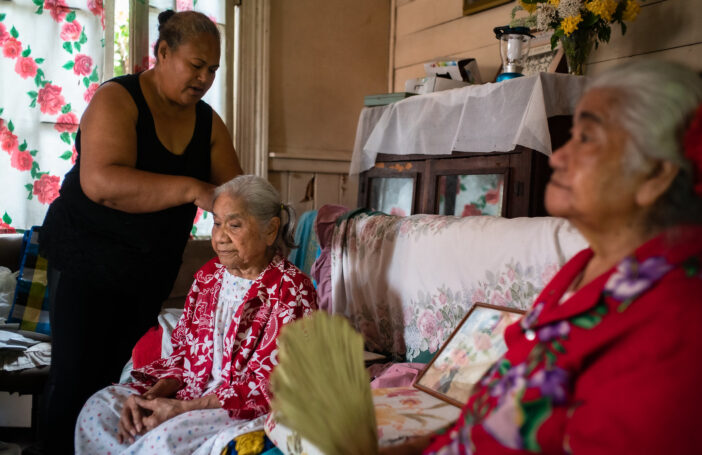
The final factor discussed in this article is the strength of social relations. Isolation and loneliness, once considered more common in the West, are now a global reality. Sri Lanka is no exception, particularly with changing work and living arrangements. Conventional avenues for the social participation of older adults such as village elders’ societies or religious groups continue to function in some contexts. But these options are inaccessible to those living further away, those from low-income households and those in poor health. Efforts to expand such avenues can greatly benefit from the support of wider communities and non-governmental groups. To further promote health and wellbeing, these initiatives could include non-conventional interests, activities that foster interactions across generations and encourage active lifestyles. Charitable organisations including HelpAge Sri Lanka currently conduct programs of this nature, one of which is the Adopt a Granny project that promotes inclusion of the elderly in local communities. Sri Lanka can look to Malaysia’s Activity Centres for the Elderly for further inspiration in encouraging participation of older adults in social activities.
An ageing society is no longer a distant possibility, but an imminent reality. Continuing to view this situation merely as a burden on communities and governments risks overlooking productive solutions. Instead, supporting elder-friendly policies and practices should be understood as an investment in the future of today’s youth. Striking a balance between ensuring support and facilitating active participation of older adults will lead to a tomorrow that is much more hopeful and resilient. Active steps according priority to the most urgent issues need to be taken in coordination with all relevant stakeholders to transform this vision into practice.