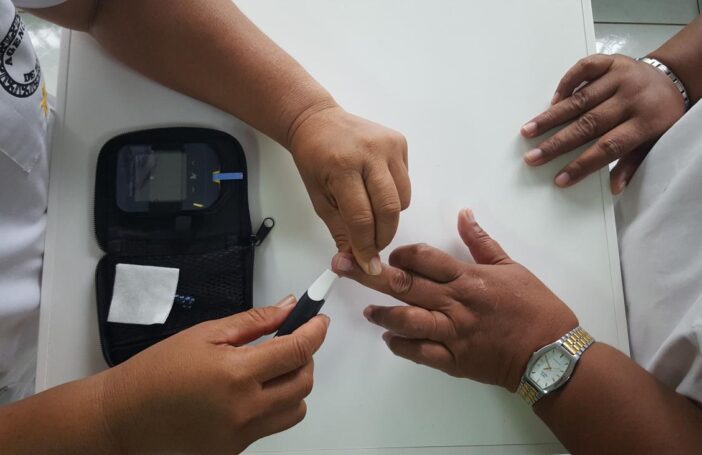
Today, 14 November, is World Diabetes Day. One year ago, here in Australia, my youngest child was diagnosed with type 1 diabetes. Type 1 is distinct from the far more common type 2. It is an autoimmune condition in which the pancreas stops producing insulin, and it often begins in childhood. Type 2 usually, though not always, develops in adulthood, when a combination of genetic and environmental factors makes cells resistant to insulin. A quick Google search from the hospital turned up prognoses of kidney disease, vision loss, foot amputation and shortened life expectancy. It was a sobering read.
Then the support arrived: the endocrinology team, the training that teaches parents and schools to work out carbohydrate-to-insulin ratios for every meal and give four injections a day, and the Australian Government’s National Diabetes Services Scheme, which makes continuous glucose monitors and other daily supplies more affordable. Insulin pumps cost AUD7,000–10,000 out of pocket, but are available to families with private health insurance or who qualify for the Insulin Pump Program for lower-income households. A whole community exists that was invisible until we needed it, and it has made the condition far easier to manage.
Over the past year that has made me think about what happens where such systems and safety nets do not exist.
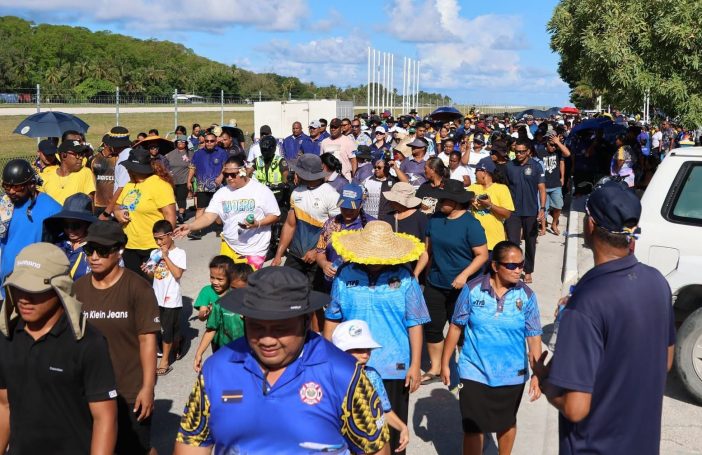
Over one million people live with type 1 diabetes in the World Health Organization’s Western Pacific Region, a diverse region spanning high-income economies such as Japan and Australia through to lower-middle-income ones, and including the Pacific island countries and territories.
Type 1 is also heavily underdiagnosed. Global prevalence is 115.5 per 100,000 people, but in the Western Pacific it is just 43.1 per 100,000. Missed diagnosis leads to early death: untreated type 1 kills quickly, as the body, unable to use glucose, produces acids that poison the blood, a condition known as diabetic ketoacidosis. According to the Type 1 Diabetes Index, an estimated 314 people in Papua New Guinea would still be alive today had they not died early of type 1 diabetes. Someone diagnosed at the age of 10 in PNG can expect to live to 33, compared with 69 for the population without the condition.
Access to insulin and to the consumables that diabetes care requires is a further problem. The Pacific’s small populations and geographic remoteness make the supply of pharmaceutical products commercially unattractive: few customers, high transport costs. Shipped medicines can take months to arrive, and ships do not always have the refrigerated storage insulin requires.
Keeping insulin cold once it has arrived is also difficult, particularly in rural areas. Insulin that has warmed loses potency. Insulin is free or subsidised in the public health systems of many Pacific countries, but stockouts are common, pushing up the price of what is available commercially.
These problems seem especially cruel given that the team that worked out how to isolate and inject insulin in 1922 sold the patent for one dollar. Frederick Banting, who shared the 1923 Nobel Prize in Physiology or Medicine for the discovery, is said to have explained that “insulin does not belong to me, it belongs to the world”. World Diabetes Day is marked on Banting’s birthday.
Two needs follow. The first is to strengthen the health systems and social safety nets that make living with a chronic condition affordable. The second is to widen the availability of the technology that is transforming diabetes care in wealthy countries. Insulin pumps that deliver insulin automatically, guided by a continuous glucose monitor, improve long-term health. Pump manufacturers such as Medtronic and Insulet run charitable foundations and access programs intended to reach underserved populations. There is scope to build on this in the Pacific and make the technology more available and more affordable, including through collaboration between governments, pharmaceutical companies and development partners.
The Pacific’s focus on type 2 diabetes is understandable, given its far higher prevalence, and both conditions rely on some of the same medicines and supplies. But on World Diabetes Day, as we “celebrate” our child’s one-year “diaversary”, overlooked lifelong conditions like type 1 diabetes are front of mind: how they change people’s lives in ways others do not see, and the inequities that mean they are experienced so differently in Australia and in our immediate neighbourhood.