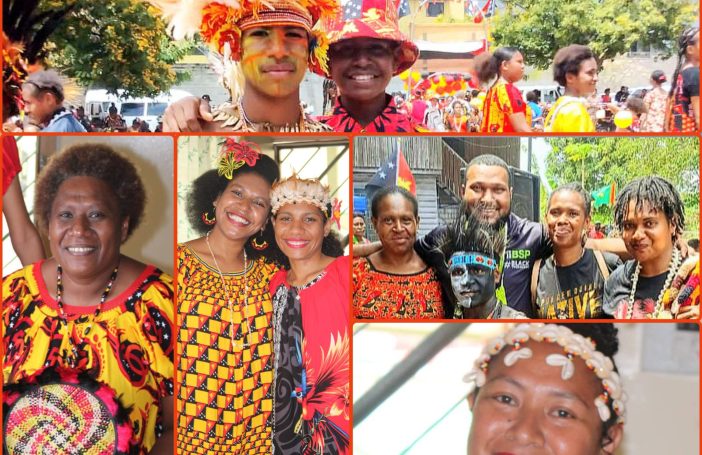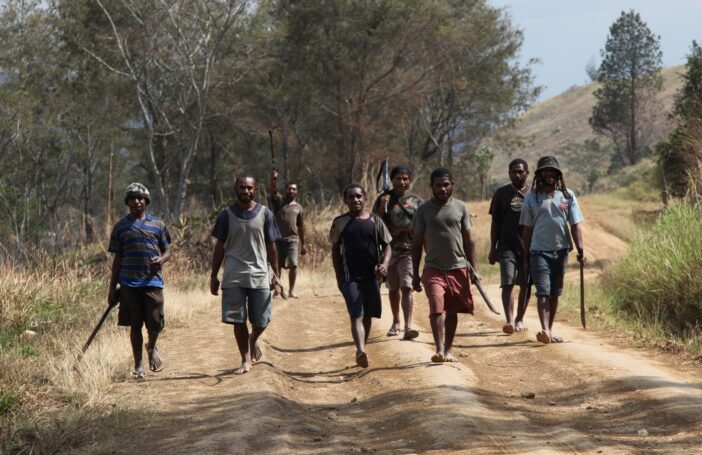
In Papua New Guinea, young people are often framed as a “problem” linked to unemployment, crime and urban violence. High youth populations (60% of the population is estimated to be under 25 years), limited education and employment opportunities and weak support systems have fuelled concerns about social instability. Prime Minister James Marape has repeatedly argued that PNG’s future depends on empowering young people to become a “positive force” in the economy and society. Partly in response to these concerns, PNG introduced the National Youth Policy in 2020, aiming to strengthen youth participation in decision-making and governance through the establishment of Youth Councils at the provincial, district and local government levels.
In this context, youth mobilisation for participatory governance has emerged as a key strategy, providing a platform for young people to contribute to decision-making processes. To operationalise the National Youth Policy, 98 local Youth Councils and 25 district-level Youth Councils have now been established across the country, although many are not functional or continue to face challenges accessing resources and influencing policy processes.
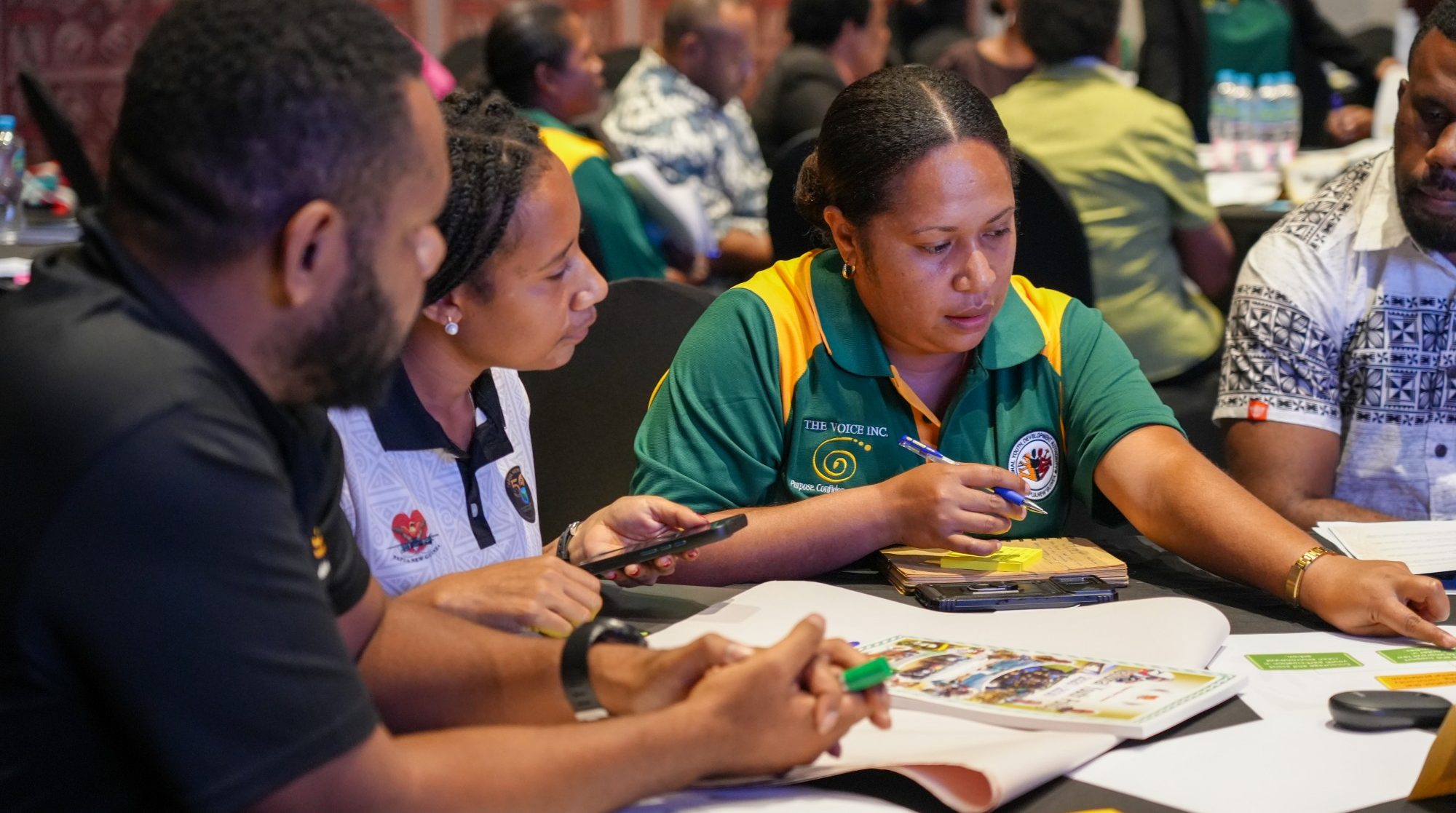
To address this disconnect, the National Youth Development Authority (NYDA) and The Voice Inc. (TVI) convened PNG’s first-ever National Youth Multi-Stakeholder Meeting (MSM) in Port Moresby in April. Drawing broad participation from government, civil society and the private sector, the MSM marked a shift in how youth policy discussions are conducted in PNG.
The MSM created space for government officials, youth representatives, the private sector and civil society to collectively frame the problem and contribute to policy recommendations together. Discussions exposed important areas of debate, including how youth should be defined, which level of government should be responsible for funding and supporting youth-led initiatives, and how limited resources could be better targeted. These debates reflected broader questions about governance, accountability and service delivery, highlighting that meaningful youth participation depends not only on policy reform, but also on clarifying institutional responsibilities and securing sustainable funding.
Several key recommendations emerged from the MSM.
The first was to change the youth age definition to people between 15 and 35 years of age, in accordance with findings from a stakeholder survey conducted prior to the MSM. Currently, youth are defined in the National Youth Authority Development Act 2014 as 12-38 and in the National Youth Policy as 12-30. Inconsistent age definitions across legislation and sectoral policies, including those for health, education and employment, have created confusion about who youth policies are intended to serve and which agencies are responsible for service delivery, resulting in poorly targeted policies and programs and gaps in delivery. A consistent age definition would enable policy to be better targeted, clearly distinguishing youth from children and other cohorts.
A second recommendation was to expand youth participation across national platforms through stronger governance structures and fair representation, including on the NYDA Board, which would strengthen the ability of youth to influence government decision-making, advocate for their priorities and improve access to the resources needed to support youth-led initiatives.
Finally, participants called on national and subnational governments to make available dedicated youth-specific funding, emphasising that this is essential to implement the National Youth Policy and support locally identified youth priorities. Drawing on the experience of the Kutubu Local Level Youth Development Council, they argued that funding is needed to address the structural barriers that prevent Youth Councils from functioning effectively and influencing governance decision-making.
The MSM marked the second stage (following an internal NYDA review) of the National Youth Policy review process, with participants’ suggested revisions to inform an updated Youth Policy, to be presented in November 2026 prior to a follow-up MSM. But the MSM was also the culmination of several years of coalition-building between youth leaders, civil society organisations, government agencies and private sector actors. It didn’t come out of nowhere.
This coalition work began in 2022 in Kutubu in the Southern Highlands through collaboration between local youth leaders, TVI and the Santos Foundation. Youth surveys conducted in the area had identified a strong demand among young people for a greater voice in decisions affecting their communities. In 2023, the Kutubu Local Level Youth Development Council (KLLYDC) was established to address this.
The process quickly revealed deeper structural problems. While youth participation mechanisms existed formally, the Youth Council was unable to access funding and other resources for project activities or to influence decision-making. This highlighted broader weaknesses in the policy and legislative environment shaping youth governance, prompting a shift in focus beyond local engagement towards systemic reform.
NYDA, which had already been working on youth policy and law reform, became a central partner in this effort, as did the Department of National Planning and Monitoring through the Open Government Partnership, alongside the KLLYDC, Santos Foundation and TVI. Over time, the coalition worked to better understand why youth governance structures were struggling and how gaps between national policy and local implementation were limiting meaningful youth participation.
An important part of the coalition process involved training in problem-driven iterative adaptation (PDIA), an approach focused on collective problem-solving. Rather than beginning with assumptions about what reform should look like, the coalition spent time working through the complexity of the issue together to collectively agree on the problem and trial potential solutions. This process also helped expand the coalition’s “authorising environment”, building relationships and buy-in across government, civil society and the private sector.
The National Youth MSM highlighted that meaningfully engaging young people in PNG will require far more than national-level political statements or policies. While youth are regularly described as critical to PNG’s future, translating these commitments into tangible support requires the slower and more difficult work of building systems, coordination mechanisms and funding pathways at the provincial and district level. Without this, youth participation risks remaining rhetorical rather than practical.
The process also reveals a broader governance challenge in PNG: the persistent disconnect between national policy development and subnational implementation. Policies are often developed centrally, yet provincial and district governments are left without the resources, authority or guidance needed to implement them effectively.
In this context, the MSM was significant not simply because it focused on youth policy, but because it created a space where diverse actors could collectively confront a shared governance problem. The experience demonstrates that change in PNG is often incremental and highly relational. Building shared understandings of problems, creating trust between individuals and institutions and slowly strengthening coordination may be less tangible than policy reform, but these processes are essential for generating meaningful and lasting change. In the lead-up to an election year, when the emphasis will likely be on big-ticket promises and “announceables”, it is worth remembering that these seemingly mundane but critical processes that build real collective action often happen behind the scenes.