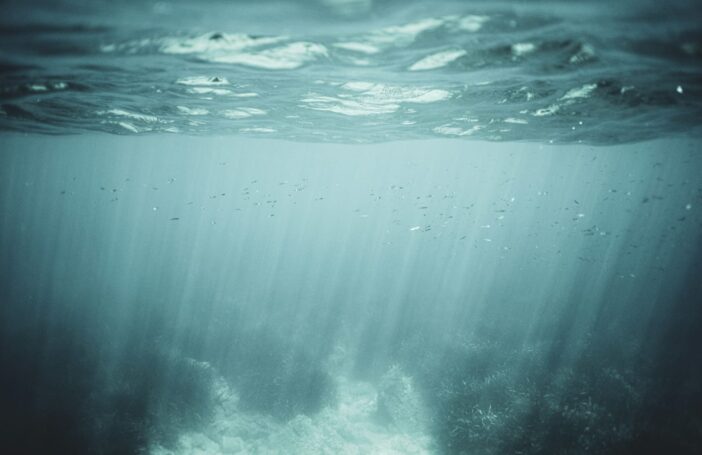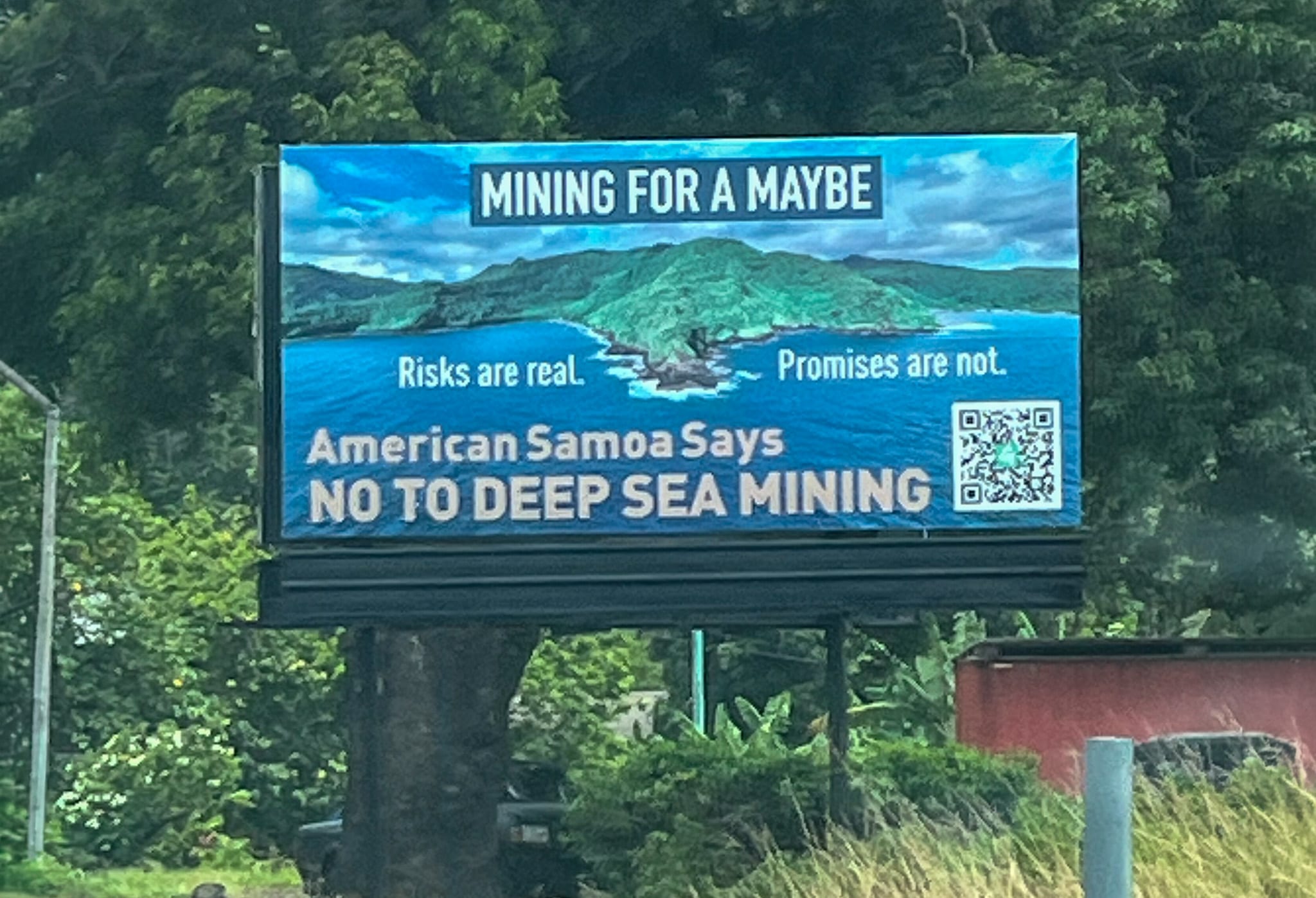
While commercial deep-sea mining has long been discussed in the abstract, the rapidly approaching 19 November auction of 31.5 million acres of leases off the coast of American Samoa by the US government means it could be closer than ever to reality.
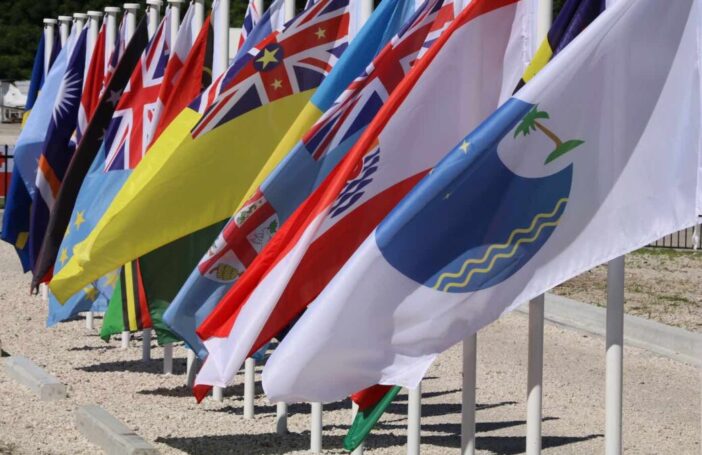
American Samoa is not the only site where deep-sea mining is being targeted: a recent Lowy Institute report suggests that commercial extraction could be imminent in the Pacific by 2027 as China and the US compete for critical minerals. This would have significant ramifications for not only the Pacific but Australia’s role within it, from the risks to the ocean environment and by extension, cultural heritage, livelihoods and food security, to potential strains on Pacific regional unity.
Despite all this, the Australian government, as the report points out, has largely been missing from this debate. This, for all the reasons above, is less and less defensible, and time could be running out for proactive and meaningful engagement.
In coming to a more definite position, the Australian government should of course be guided by engagement and consensus building with the Pacific, where despite the strong opposition of many, opinion is not unanimous. Yet they also may want to reflect on Australia’s own history of mineral extraction in the Pacific, the rosy win-win rhetoric that has justified it, and how it compares to contemporary debates over deep-sea mining.
For advocates, deep-sea mining has been extensively justified as a public good: a supposedly low-impact means of picking up critical minerals, benefiting the environment, the climate and society as a whole. The Trump administration has labelled critical minerals as “vital to our national security and economic prosperity”, and in announcing the American Samoa lease sale the acting director of the Marine Minerals Administration, Mike Olsen, described those minerals as “essential for reaching our energy efficiency goals, strengthening our national defense, and securing domestic supply chains”. US Secretary of the Interior Doug Burgum put it even more plainly when he said “those nodules we just have to go out and vacuum up off the floor are filled with these critical minerals that we need”.
One of the pioneers of deep-sea mining and Chief Executive Officer of The Metals Company Gerard Barron has gone even further, declaring that “we want to help the world transition away from fossil fuels with the smallest possible climate change and environmental impact”, that deep sea mining was “the easiest way to solve climate change”, and that he likes “the fact that this is going to benefit Pacific Island communities”.
Of course, such arguments ignore both the significant environmental risks of deep-sea mining and the extensive opposition to it throughout the region. This is readily apparent in American Samoa where communities, political representatives and environmental groups have been vocal in their disapproval, including in the form of a legal challenge from community leaders and environmental groups. In particular, opponents have highlighted the risks to American Samoa’s vital marine resources and environment, and by extension, the fa’asāmoa way of life. As the Fa’asao Amerika Samoa group has argued, “safeguarding the oceans is a core part of Samoa’s cultural identity and economic practice”.
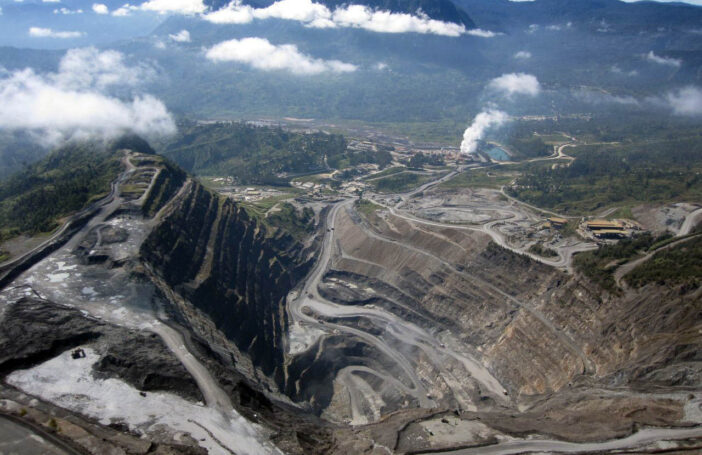
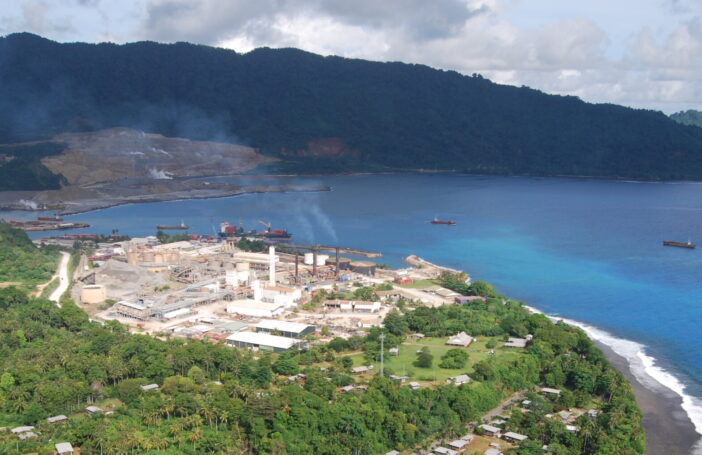
The privileging of Western ideas over indigenous worldviews to justify overseas extraction, couched in benevolent and humanitarian sounding language, is far from new, and such ideas have been used extensively throughout the Pacific. However, Australia’s own history with the Panguna Mine in Bougainville provides perhaps the most damaging example of the dangers of such ideas, and an important opportunity to learn from past mistakes.
The legacy of the mine and the decades-long civil war it helped start are well known. It was the worst conflict in the Pacific since World War II, and the mine itself left a catastrophic environmental impact still acutely felt today.
As the project first commenced, and much as deep-sea mining advocates are doing now, the Australian government sought to override local concerns by asserting that the mine would benefit the people for whom it would end up proving so costly. During this process, the Australian government argued that Papua New Guinea had failed to properly exploit its resources to date, that communities like Bougainville could not use their own minerals as the basis for self-governance, and that the mine in Bougainville was essential for PNG to achieve economic independence, serving the interests of an Australian government keen to relieve itself of its governing responsibilities.
Opposition to the mine was denigrated on colonial and racial grounds. Consider Charles Barnes, the then Minister for Territories, who argued that “the basic difficulty has been that people of this area are living in one world and the problems of development and the requirements of development confront them with another world”, that local resistance reflected “the problems of transition into a modern world and a modern society” and that those seeking to block the mine were “in the structure of ignorance, superstition and prejudice”.
The rhetoric used by contemporary deep-sea mining advocates is more humanitarian in nature but relies on the same core assumption that communities in the Pacific who oppose this form of extraction are misguided. Barron, for instance, has described calls for a moratorium on deep-sea mining as “a vote against science”.
This is obviously not to suggest that deep-sea mining would lead to the same level of devastation as the Bougainville conflict — but for many in the Pacific, the risks could still prove very consequential. Bougainville is also far from the only instance of Western views about resource extraction being privileged over indigenous ones. Other examples include the strip mining of Naoero, the spread of plantations in Hawai’i, Fiji and Samoa, and the displacement of the entire population of Banaba Island to make room for phosphate mining.
Rather than repeat the mistakes of the past, the Australian government should choose to learn from its own history, listen carefully to the communities whose knowledge of and care for the ocean is culturally ingrained, and engage more actively in regional and international debates on deep-sea mining. To do otherwise risks continuing an ignoble track record of social and environmental harm.