

Papua New Guinea is home to an estimated one million persons with disabilities (PWDs): roughly 10-15% of the population. Over the past decade, PNG’s government has made significant policy commitments to support them, including the National Policy on Disability 2015-2025 and the ratification of the UN Convention on the Rights of Persons with Disabilities. Despite these frameworks, most PWDs remain excluded from education, employment and community life.
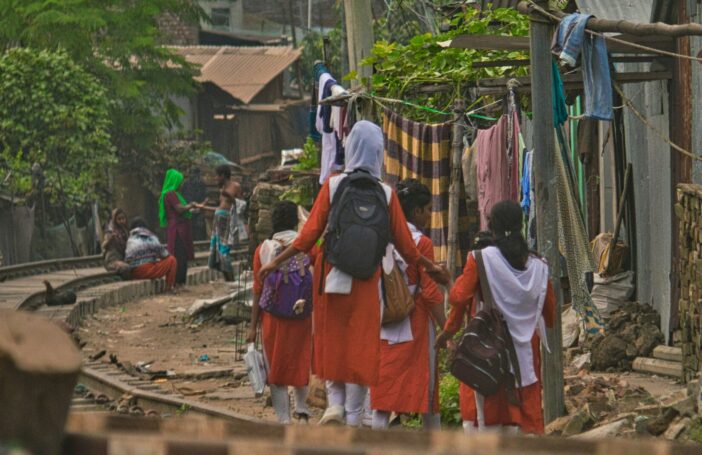
Only 2% of PWDs in PNG currently access formal services. The vast majority are left without assistive devices, rehabilitation, inclusive schooling or income support. Most live in rural areas, where rugged geography and poor infrastructure make access especially difficult. Furthermore, in urban settings, public spaces and services remain largely inaccessible. Many buildings lack ramps, signage or toilets adapted for mobility or sensory impairments.
Deep-seated stigma and cultural attitudes further isolate PWDs. Disability is often seen as a source of shame or associated with sorcery. Families might hide children or keep adults with disabilities at home, fearing ridicule. Women with disabilities face compounded discrimination, experiencing high rates of violence and being excluded from both disability and gender initiatives.
Improving disability support in PNG is a multifaceted endeavor requiring cultural change, institutional strengthening and resource investment. The pieces of the puzzle — policy, community engagement, partnerships — are starting to come together, but sustained effort is needed.
PNG has a strong policy foundation. The National Policy on Disability 2015-2025 outlines a rights-based approach built around three pillars: advocacy and empowerment, inclusive service delivery and institutional strengthening. The policy emphasises that disability is not caused by impairment, but by barriers in society. Regional commitments, such as the Pacific Framework on the Rights of Persons with Disabilities, reinforce PNG’s obligations to the disabled.
However, effective documentation and implementation remain significant shortfalls. Government departments remain under-resourced and there is no dedicated disability law with enforcement powers. Coordination is weak. Data on disability prevalence and service access is limited. Most disability programming is donor-dependent and delivered by NGOs or churches.
Encouragingly, 2025 has seen a renewed push for reform. Prime Minister Marape publicly pledged to fast-track a comprehensive Disability Act. This long-awaited law would mandate accessibility, anti-discrimination protections and budgeted service provision. The PNG Assembly of Disabled Persons (PNGADP) has been revitalised and is engaging with government on strategic planning.
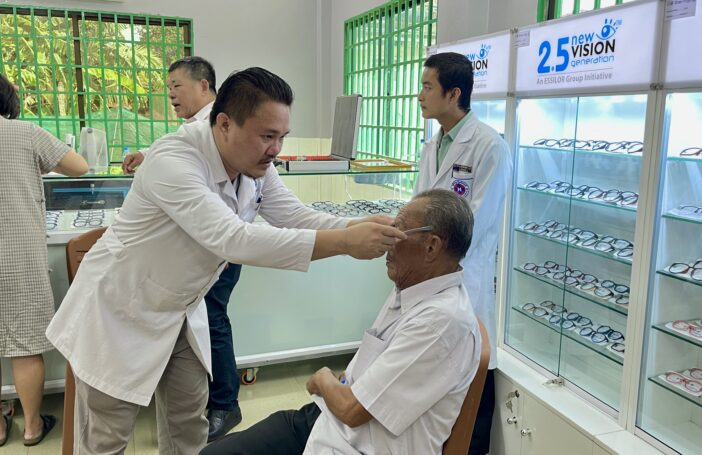
Pilot projects offer models for inclusive development. Inclusive schools, community-based rehabilitation programs and disability-friendly Water, Sanitation and Hygiene (WASH) initiatives have shown success. Donor partnerships, especially with Australia, have provided funding and technical assistance. But these remain isolated pockets of progress that are not accessible to all who need them.
To move forward, PNG must accord priority to five core actions:
- Enact and implement the Disability Act with strong enforcement mechanisms. This will create a legal foundation for rights-based inclusion.
- Invest in inclusive infrastructure and services. All new schools, clinics and transport systems should meet universal design standards. Teacher training and healthcare delivery must integrate disability support.
- Empower disabled persons’ organisations (DPOs). Organisations like PNGADP need support to advocate, monitor and co-design programs that address gaps and needs. Representation at all levels of policymaking is essential.
- Fund disability inclusion. Government budgets must allocate resources for assistive technology, rehabilitation, social protection and accessibility retrofits.
- Challenge stigma through awareness campaigns. Engage churches, local leaders and media to shift attitudes. Show that disability is part of human diversity, rather than something to be hidden.
Disability support in Papua New Guinea today stands at a critical juncture. PNG has the tools, policies and momentum to build a more inclusive society. By implementing these recommendations, PNG can make significant progress to uphold the rights and potential of all its citizens, including persons with disabilities.
Many of the recommendations are mutually reinforcing for example, better data will improve planning, improved inclusion in schools will change attitudes for the next generation, empowering DPOs will help keep the momentum, and so on.
Some actions can yield early wins, such as launching awareness campaigns, passing the Disability Act and starting teacher aide hiring. Others are longer-term investments, like training enough therapists or achieving full accessibility in infrastructure. It is crucial that momentum is maintained and monitored.
The challenges must also be acknowledged. One is data and secrecy. In remote areas, families might still hide PWDs, so identifying them for services can be hard. Another challenge is cost — making buildings accessible or providing assistive devices carries a cost that cash-strapped agencies may resist unless they see the value. There might also be some cultural resistance. Enforcement mechanisms need to be thought through — for example, should there be penalties or incentives to comply with accessibility standards?
The coming years will determine whether PNG can turn vision into action. Disability inclusion is not just a human rights issue; it is a development imperative. With political will, adequate funding and strong community engagement, PNG can remove barriers and improve the wellbeing of the disability community.
This article is based on a new report by the author that has just been published by the Development Policy Centre.

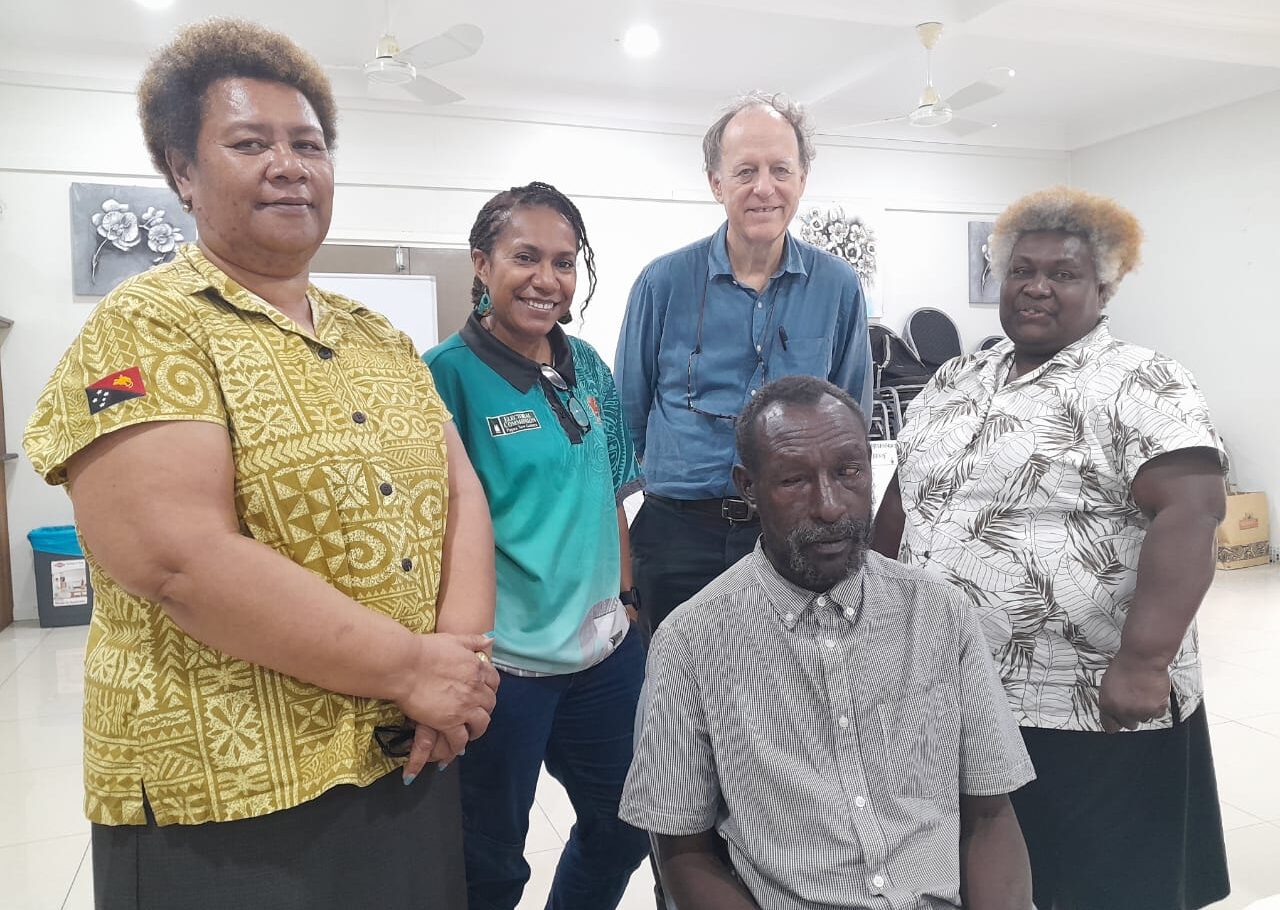
Jerry Hensen passed away in January 2026 after a six-month illness.
He was an inveterate champion of persons with disabilities in PNG, especially of the blind and visually impaired. He was well known in the National Capital District, in Simbu and Eastern Highlands (where he had attended Mt Sion School for the Blind), Wewak, Lae and even Bougainville, attending conferences and speaking out, questioning protection for the disadvantaged and the provision of transport and facilities and other services for PWDs.
Jerry wrote papers and debated wider development issues. He was also known in legal circles, having trained in law at UPNG and the PNG Legal Training Institute, and fought cases on behalf of the disadvantaged (often on a gratis basis).
Vale Jerry Hensen.




My sincere thanks to the Devpolicy blog team for publishing this blog post, so as to highlight an important issue and draw our attention to a recently-published report. I would also like to thank Paul Barker and Martin Davies for their efforts on this blog post.
I met Jerry Hensen on numerous occasions at events at the Institute of National Affairs and elsewhere around Port Moresby. I remember him as being polite, courteous, friendly and encouraging. I am saddened to learn of his death.
Thanks again to all involved in this initiative. It is great to see Jerry’s advocacy highlighted in this way.
Amanda