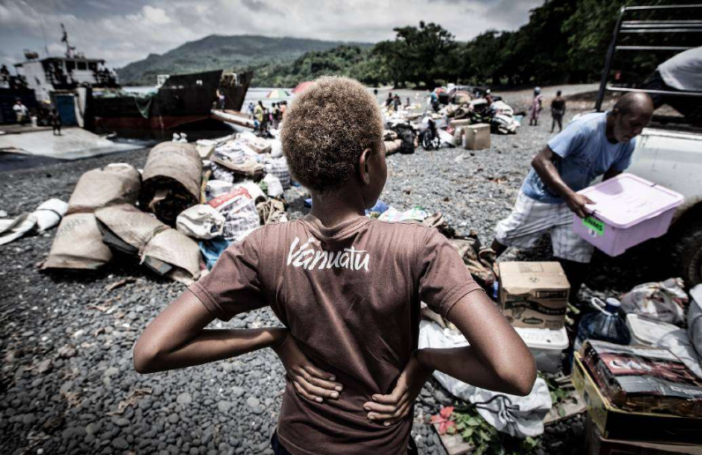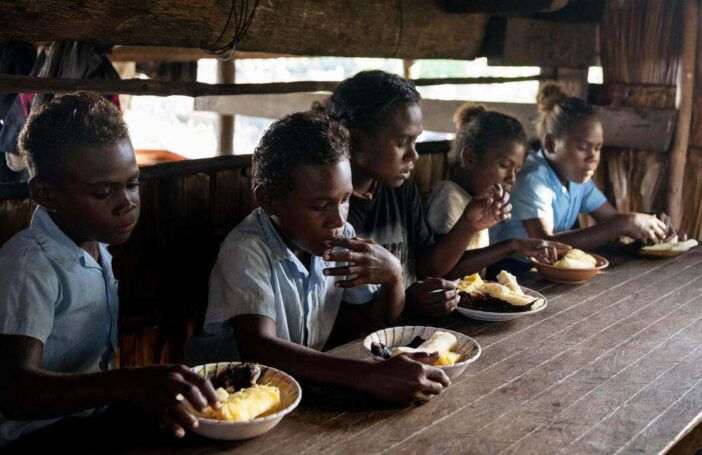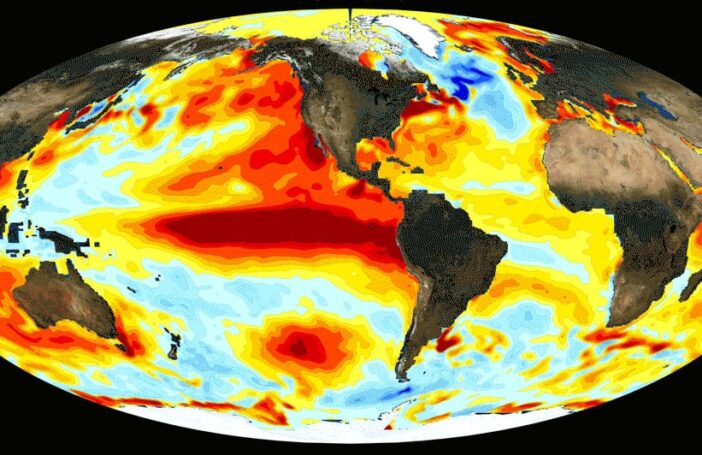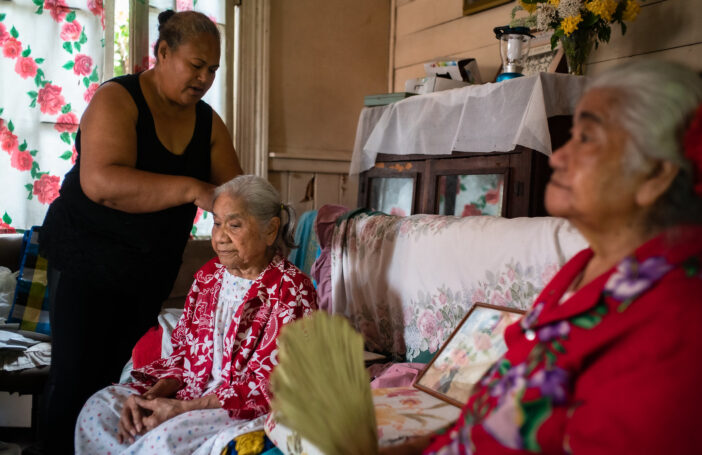
The 2025–2026 cyclone season challenged Pacific communities and the communication systems they rely on in a crisis. Tropical Cyclone Urmil (February–March) brought strong winds and heavy rain to parts of Vanuatu and Fiji, while April’s Cyclones Maila and Vaianu left communities in Solomon Islands, Fiji and Papua New Guinea assessing damage and relief needs. These events sit within a broader pattern of increasingly complex climate and disaster-related risks confronting Pacific states as we head towards the 2026–2027 cyclone season.
In disaster situations, access to timely and trusted information becomes critical. An emergency alert is only useful if it reaches people in time, in a language and format they understand and through channels they trust enough to act on. This is the distinctive and essential role of national broadcasters whose public service remit requires them to convey emergency information in ways that enable communities to receive, understand and act on official warnings.
Australian Broadcasting Corporation (ABC) International Development’s qualitative research, conducted in 2026 with six Pacific national broadcasters in Fiji, PNG, Samoa, Solomon Islands, Tonga and Vanuatu, as well as with disaster-management representatives, points to a “recognition without resources” paradox. National broadcasters, especially radio services, are relied upon by authorities and the wider community to carry warnings and updates during emergencies. However, in most cases, broadcasters are not consistently and sufficiently supported by the formal disaster management systems and are unable to maintain or access the infrastructure they need to stay on air and reach communities during disasters. Gaps relate to integration into disaster communication frameworks, the establishment of priority power and telecommunications restoration arrangements and dedication of public funding for emergency broadcasting.
The implications are practical and immediate for Pacific communities. In PNG, respondents reported that only around one-third of the National Broadcasting Corporation’s transmitters are operational, limiting emergency radio reach for rural communities. Cyclone-damaged radio transmission sites in Vanuatu and Solomon Islands remain offline. The Solomon Islands Broadcasting Corporation previously maintained a backup studio on higher ground away from tsunami and flood-prone areas. This has since been decommissioned, leaving the broadcaster dependent on its coastal headquarters, which faces greater risks during emergencies. The Fijian Broadcasting Corporation has a formal emergency broadcasting mandate and preparedness measures but still does not receive priority restoration of power or telecommunications from disaster management authorities, leaving continuity dependent on the wider pace of infrastructure recovery.
These examples suggest that strengthening emergency communication requires investment in systems that keep trusted information flowing during a crisis, even when power, telecommunications and transport networks are disrupted. This includes reliable transmission equipment, backup power, maintenance arrangements, trained staff with surge capacity and timely access to verified warnings.
The research also points to emergency communication as a layered system, where digital channels can strengthen speed and feedback, while broadcast channels can support reach and continuity. Digital platforms help agencies and broadcasters to share updates faster, livestream briefings, monitor reports from communities and support preparedness before hazards strike. Radio and other broadcast platforms extend the reach of verified information, particularly for rural, remote and less-connected communities, and provide a more robust pathway to audiences when power, mobile networks or internet access are disrupted. Maintaining multiple channels supports accessibility, including reaching marginalised groups that may lack digital access and people with disabilities for whom some channels can be inaccessible. Resilience depends on these different but connected channels working together.
For donors and governments, the research raises an important consideration for communication infrastructure investment — how can emergency information keep moving when systems are under pressure? A key priority is to build communication systems with enough overlap that information can continue to flow even when one channel is disrupted. This means looking beyond connectivity to continuity and reach, so warnings can reach communities in usable forms, for example in local languages, through trusted messengers and channels that remain available despite outages, damaged roads, staff shortages and fragmented information flows.
Findings show the importance of establishing funding and staffing arrangements before emergencies occur. Respondents noted the need to establish emergency communications funding within national disaster budgets, with funds that can be activated when a declared emergency occurs. These could cover airtime, fuel for generators, temporary connectivity, transport for staff, rapid repairs and translation or localisation of warnings. Standing service agreements between disaster agencies and national broadcasters could clarify support before, during and after emergencies, including how broadcasters can be given priority for power and telecommunications restoration.
A third priority raised in the research is workforce resilience. National broadcaster staff are also affected by disasters, often managing the same risks, disruptions and family responsibilities as the communities they serve. The research notes that small teams have remained on duty during disasters, sometimes under hazardous conditions, and that prolonged emergencies can lead to fatigue, stress and further risk. The broadcaster interviews point to the need for emergency broadcasting plans to include surge arrangements, safe transport, shift rotation, backup accommodation and psychosocial support. This recognises that small teams cannot be expected to sustain emergency coverage indefinitely, while also managing their own safety and the needs of their families and communities.
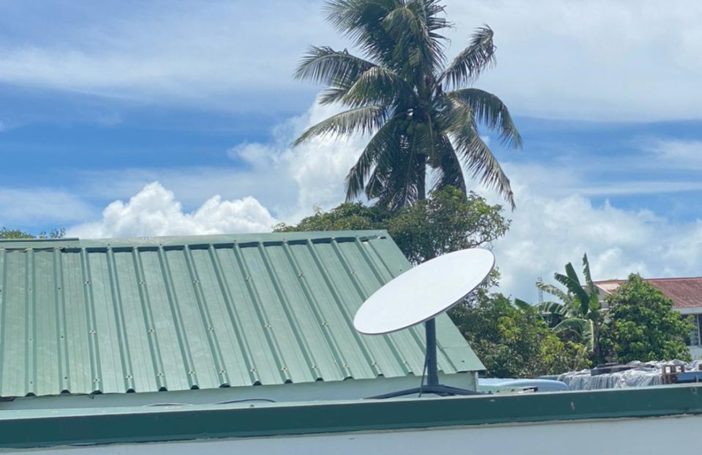
Finally, the findings reflect a strong case for pooled Pacific regional capacity. This is particularly relevant in a region where broadcasters face funding constraints, must cover wide and dispersed geographies and often respond to emergencies that affect more than one country at the same time. Broadcasters expressed interest in shared portable equipment, including radio-in-a-box kits, mobile transmitters, satellite connectivity and backup generators, as well as a media-led network of broadcast engineers and technical staff. Such arrangements could help restore temporary services when local systems are damaged and reduce reliance on improvised fixes. In Vanuatu, for example, one media executive described using a personal low Earth orbit satellite service to restore a studio-transmitter link during disruption. That kind of initiative is impressive and illustrates the dedication of staff within national broadcasters to emergency broadcasting, but it should not be the foundation of a national emergency communication system.
There is a policy window to act now. PNG is establishing a National Emergency Management Authority, Samoa is reviewing disaster management legislation, Fiji has proposed formal broadcaster-agency agreements and Vanuatu is negotiating similar arrangements. These reforms provide opportunities to formally position broadcasters as operational partners in disaster response, not simply outlets that receive messages after decisions have been made.
The six countries studied all share strong foundations. All have trusted national broadcasters that communities rely on during emergencies, growing use of digital platforms, committed staff and deep local knowledge. The challenge is to build on these strengths through emergency communication systems that are planned, resourced and able to withstand pressure. When the next crisis hits, communities will be best prepared to respond if timely, relevant information reaches them through channels they can access and voices they trust.