


As the world watches protests and deadly state oppression in Iran, human rights advocates have been asking us to view the situation with nuance.
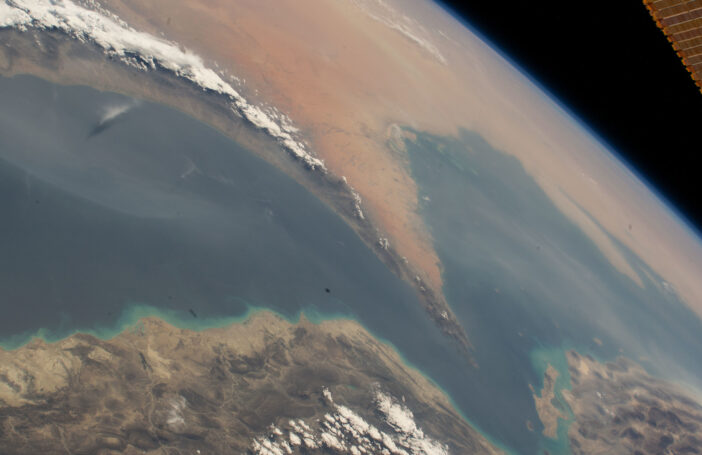
What is often underappreciated is how big and diverse Iran is. Iran is home to 92 million people and is the world’s 17th largest country in both population and by land area.
Iran is home to people from many different ethnicities and religious groups. It is also presently the place in which an enormous number of Afghan citizens currently reside. It is estimated that anywhere from four to six million Afghans have currently sought refuge in Iran.
As the two states share large stretches of land along their borders, Afghans have been visiting and migrating to Iran for decades. But, as a population often made vulnerable, Afghans face particular uncertainty during this tense time.
As the United States’ administration threatens military intervention, we need only to listen to Afghans in Iran to understand how devastating this would be.
During the Soviet Invasion in the 1980s, the emergence of the Taliban in the 1990s and the United States’ war on Afghanistan in the 2000s, millions of Afghans have sought refuge from violence and hope for greater opportunities in Iran.
Because of the wave of migration in the 2000s, many Millennial and Gen Z Afghans have childhood memories in Iran.
More recently, many Afghans have vacationed in Iran, seeking new adventures, sightseeing, shopping, beauty treatments and bubble tea.
But now, with the US withdrawal from Afghanistan in 2021, the subsequent takeover of the Taliban, and their institution of draconian rules and restrictions, a new enormous wave of Afghans have left home for Iran.
At one stage, it was being estimated that 4,000-5,000 Afghans were crossing into Iran daily.
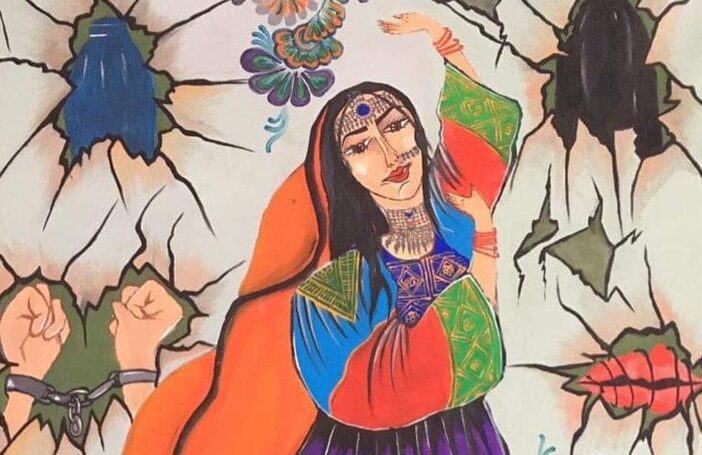
Many Afghan young people and families with children go to Iran because they wish to pursue education. This is particularly the case for young women and people with daughters who are barred from education past grade six in Afghanistan.
Many Afghans also migrate to Iran seeking medical treatment or employment. In the labour market, they are often relegated to informal, low-wage roles, such as construction and domestic work, where they are frequently utilised as a source of cheap labour.
For many Afghans Iran is also not seen as a final destination, many hoping it will help them migrate elsewhere given the restrictions on travel in Afghanistan. Many more hope to one day return to a better, democratic Afghanistan.
Iran now hosts the largest Afghan diaspora in the world. Only a tiny fraction of whom live in the country’s 20 state-managed settlements. While these government sites offer free housing and some aid, their isolated locations and strict travel permits make it difficult for residents to find work.
Consequently, the vast majority of Afghan migrants have integrated into the rest of urban Iran — choosing to live in cities, where they have better access to jobs and financial independence despite the lack of subsidised housing.
Hence, this economic turmoil being caused by international sanctions and oil price manipulation not only hurts Iranians, but also places an exceptional strain on daily life for Afghan immigrants.
Whilst Afghans are not allowed to participate in the current protests against these economic and political matters, the Iranian state’s violent crackdown on protestors still has a significant impact on the lives of Afghans.
In particular, the internet blackout has an almost debilitating impact on Afghans who are unable to contact relatives outside Iran. It also can hinder the ability to seek new employment or access educational materials — particularly for those Afghans participating in informal work and study arrangements.
There is also uncertainty about how this latest round of state violence will impact the migratory status of Afghans in Iran. During the “12-day War” between Iran and Israel in 2025, Afghans were being accused by Iranian authorities of being agents of Israel. In response, Iran deported 1.5 million Afghans. As Iran begins to cite Israel as causing violence against protestors, it is uncertain if Iran will once again scapegoat Afghans.
All of these concerns are acutely exacerbated for the many Afghan women who currently reside in Iran alone seeking education and employment.
But, despite the abhorrent ways these economic, political and violent events detrimentally impact the lives of many Afghans in Iran, these refugees, and the waves of Afghan refugees that came before them, also are symbolic of a potent lesson — that international intervention is not the answer.
International economic interventions in the form of sanctions have already caused immense harm. And, as US President Donald Trump threatens to militarily intervene in Iran, we only need to listen to Afghans in Iran to understand the longevity of the violence, havoc and displacement this would incur on the whole region if full-scale military intervention were pursued.



It offers a profound glimpse of humanity from a humanitarian perspective, especially toward the world’s most neglected people. It’s truly commendable to witness this genuine essence of compassion, particularly in the hearts of young people.