


As of the 2017 Census, Muslims make up 96.5% of Pakistan’s population, while non-Muslims, including Ahmadis and Christians, make up just 3.5%. Of the Muslim population, 80–85% are Sunni and 10–15% are Shi’a.
Though small in number, religious minorities face disproportionate discrimination, harassment and deadly violence. Recent mob attacks, extrajudicial killings and desecrations of religious symbols reflect a broader culture of intolerance. Extremist groups play a central role, but ordinary citizens — often misled by fear, misinformation and lack of awareness — also become instruments of mob brutality.
While Ahmadis identify themselves as Muslims, Pakistan’s penal code declares them non-Muslims because they do not believe that the Prophet Muhammad was the final prophet, a core tenet of Islam. This fuels severe hatred toward Ahmadis from religious extremists and some Muslims. This legal classification criminalises their identity: Ahmadis are barred from calling their places of worship “mosques” or even using Islamic greetings.
According to the 2017 census, 191,737 people identified as Ahmadis, though the actual number is likely higher as many avoid declaring their faith due to fear and legal restrictions.
Extremist Sunni religious groups like Tehreek-e-Labbaik Pakistan (TLP) and Lashkar-e-Jhangvi (LeJ) play a central role in fuelling religious violence in Pakistan. A troubling pattern in violent incidents against minorities often has the alleged involvement of TLP and LeJ. TLP, a hardline Sunni Barelvi group notorious for violent street protests and vigilante justice in the name of blasphemy, was banned in 2021 but was later reinstated after a controversial government deal freeing thousands of its jailed activists. Both TLP and LeJ manipulate religious narratives to incite anger and spread hatred toward other faiths among poorly educated or uninformed individuals, turning them into instruments of mob violence. LeJ, banned yet operating through splinter networks, has been implicated in massacres of Hazara Shias, perpetuating sectarian bloodshed with impunity.
On 16 May 2025, Dr Sheikh Mahmood, a prominent Ahmadi gastroenterologist, was shot dead at Fatima Hospital in Sargodha in an apparent faith-based attack. Days earlier, over 90 Ahmadi graves were desecrated in Rhoda, Khushab, one of more than 260 such incidents in 2025. On 26 April, 19-year-old Muhammad Asif was killed in Kasur by gunmen linked to TLP, leaving his cousin injured. In Karachi, Laeeq Ahmad Cheema was lynched after TLP members blocked an Ahmadi worship site; police rescued worshippers, but Cheema was later attacked. In July 2024, Zaka ur Rehman, a 53-year-old dentist, was shot dead in Gujrat at his clinic.
The Christian community has faced similar incidents under alleged blasphemy. On 25 May 2024, in Sargodha, a mob accused a Christian man of desecrating the Quran and burned his shoemaking factory, also targeting nearby homes and churches; police rescued several injured people. Earlier, on 16 August 2023, a Christian settlement in Faisalabad was attacked, vandalising churches, homes and cemeteries after two residents were accused of blasphemy, despite prior police warnings. In March 2013, Joseph Colony, Lahore, saw dozens of homes burned over a likely fabricated blasphemy accusation.
Although a recognised sect within Islam, Shias, especially Hazaras, face severe hatred and violence from extremist Sunni groups. Hazaras in Balochistan have long endured deadly sectarian attacks. In November 2024, over 40 Shias were killed in a convoy attack in Kurram District. In 2014, 22 Shia pilgrims died in a bus bombing in Mastung; in 2012, 19 were killed in another bus attack; and in 2013, over 90 Hazara Shias were killed in a single bombing in Quetta. Most attacks were allegedly carried out by LeJ.
Although targets differ — Ahmadis, Christians, Shi’a or Hazara — the underlying drivers of violence share common threads. Religious prejudice and animosity toward other faiths play a central role: Ahmadis are denounced as heretics, Christians are vulnerable to blasphemy allegations often weaponised as land disputes or personal grudges, while Shi’as and Hazaras are branded “infidels” by sectarian groups like LeJ. Yet these attacks are not solely rooted in doctrine. Political actors such as TLP manipulate blasphemy narratives to mobilise street power, while economic competition and local rivalries also fuel false accusations. Ordinary citizens, often poorly educated and fearful of being accused themselves, are easily swayed into mobs by radical clerics. Together, these factors create an ecosystem where prejudice, politics, and fear converge into lethal violence.
The persistence of such violence reflects a systemic failure. Police often stand by or are outnumbered, courts bend under mob pressure, and political leaders stay silent, sometimes courting extremist support for electoral gain.
A deeper issue is that mobs are not made up of extremists alone. Ordinary citizens, misinformed, fearful and lacking awareness, are mobilised by radical clerics and groups. Many participate not from conviction but from fear of being labelled blasphemers themselves if they resist. This dynamic turns communities into instruments of their own destruction.
To counter religious extremism and the resulting misuse of blasphemy narratives, Pakistan needs more than legal enforcement — it needs systemic reform and cultural awareness. The government should establish an independent commission, as recommended by the Human Rights Commission of Pakistan, to investigate and publicly report cases involving misuse of blasphemy laws. Mandatory training for police, prosecutors and lower judiciary officials on due process and religious sensitivity could reduce wrongful arrests and mob influence. Blasphemy investigations should require approval from a senior judicial magistrate to prevent frivolous or malicious charges.
Alongside this, community and interfaith dialogue initiatives, such as those promoted by the National Commission for Law, Justice, Interfaith Harmony and Human Rights, can help counter the climate of intolerance. Ultimately, reform must combine institutional accountability with public education to prevent these laws from continuing to serve as tools of persecution.

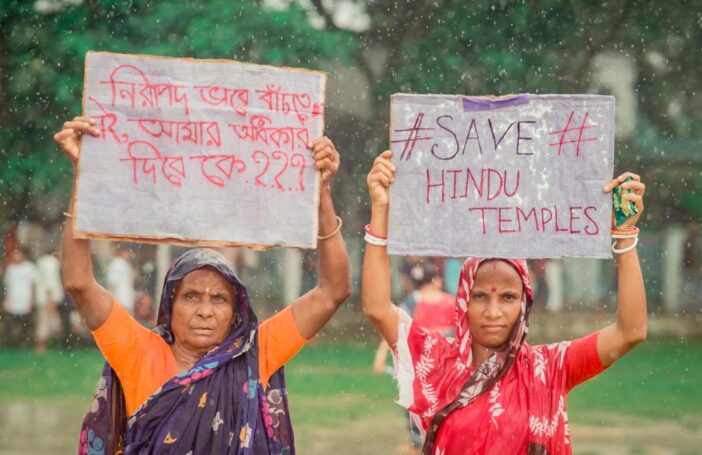


You did not speak a single word about the Hindus in Pakistan who face severe violence, discrimination and harassments whereas you have spoken adequately about Christians.