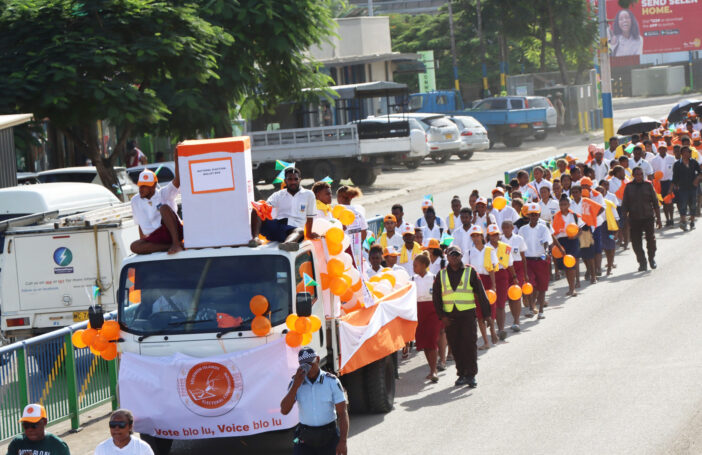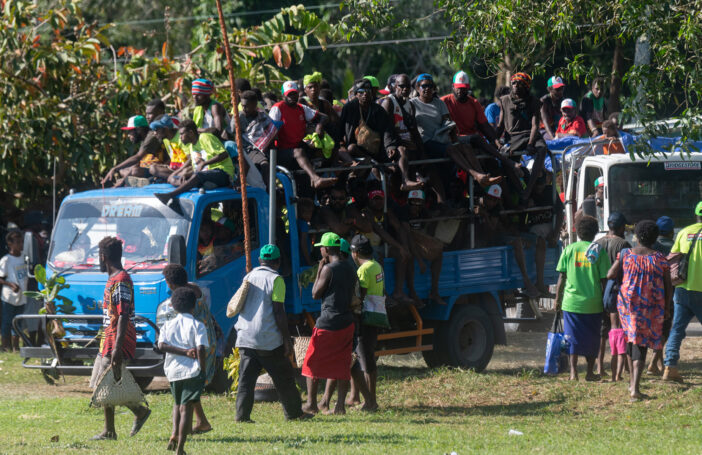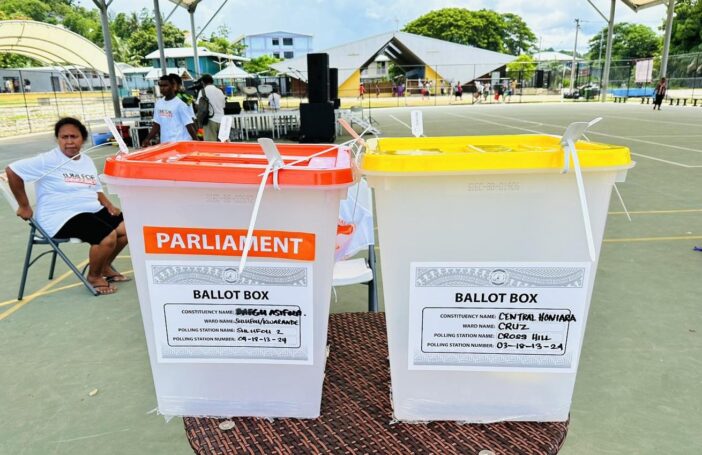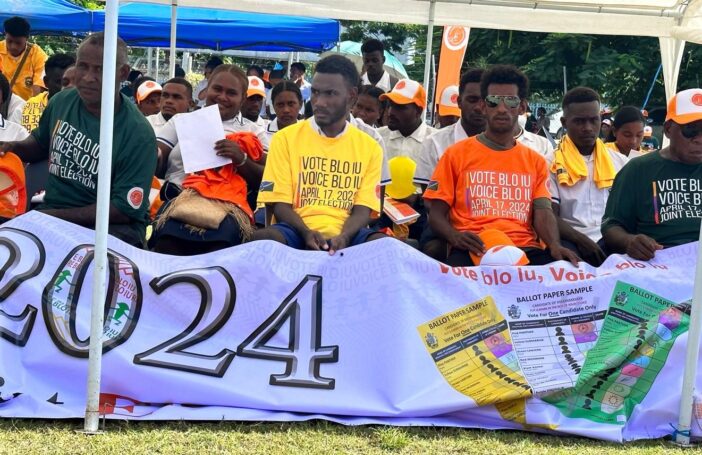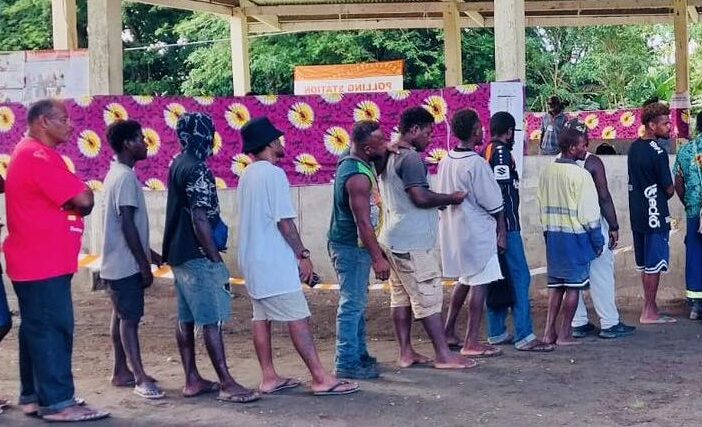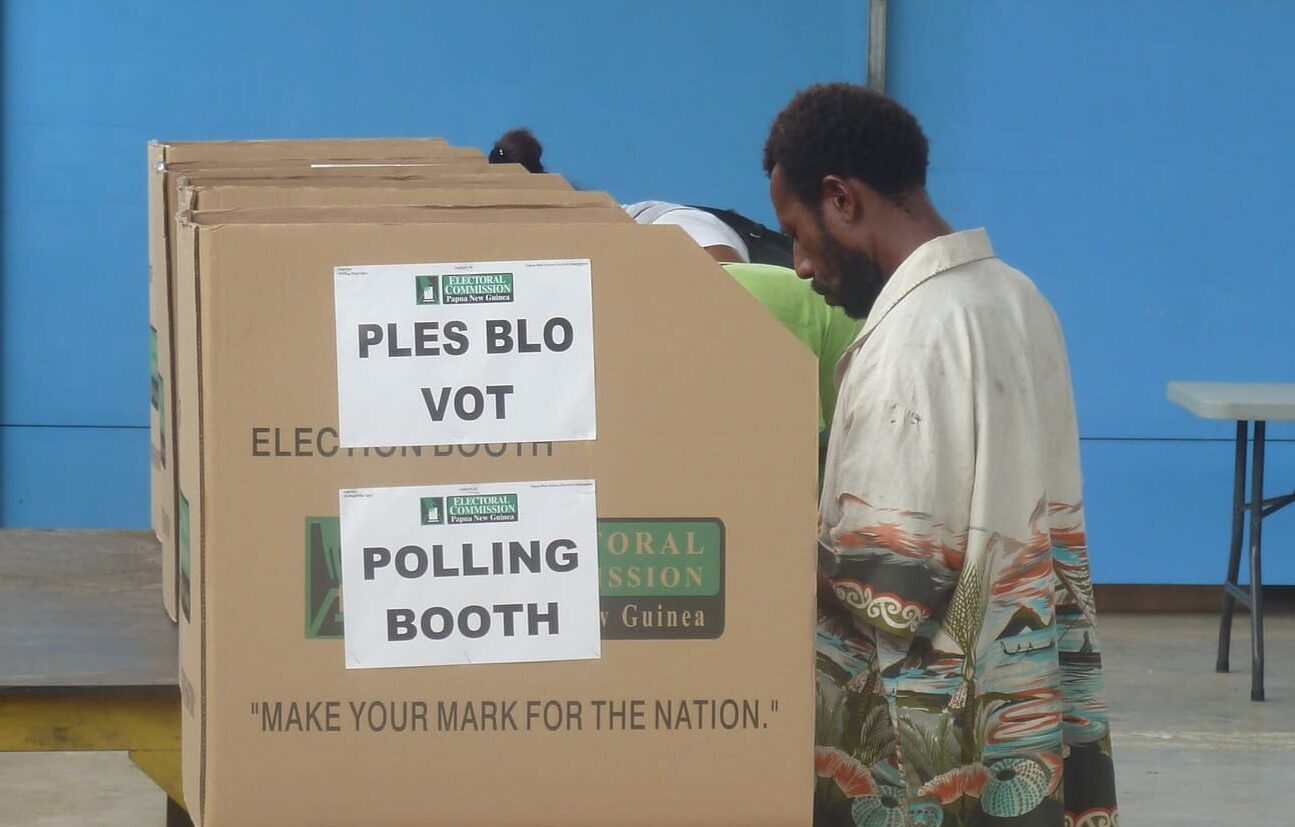
It’s becoming routine now. Papua New Guinea holds an election. There are irregularities, allegations, omissions, bad decisions and tragedies. The problems are so bad that, for a brief moment, the country’s political elites take notice, organise a review, launch the review and then — with the occasional exception — appear to lose all interest. Donors also get involved, get thwarted, get distracted (did someone say China?) and then hope, optimistically, that today’s small projects will eventually deliver improvements.
Then the next election arrives — with a bang — and problems aplenty.
Why does this always happen?
Part of the answer will be familiar to anyone who has put off anything ever: time. Too much of it. Papua New Guinea’s elections occur at five-yearly intervals. That’s long enough for urgent problems to feel like tomorrow’s problems. It’s an all-too-human failing. The trouble is that, if you want future elections to be better, you need to start planning today. Building a new, accurate roll, in particular, takes years. Electoral reform ought to start in the immediate aftermath of electoral failure. But it never does in Papua New Guinea.
Another part of the answer is that miracle cures — usually biometric voting or electronic counting — are very tempting, particularly when touted by foreign companies with slick sales pitches. Although technology may be tempting, it’s no substitute for the dreary work required to run elections well. Other than making the electoral process more complex, biometric voting won’t help if the roll is a historical artefact. And, although it’s a slow process, thanks to the presence of scrutineers, ballot counting is actually pretty good in Papua New Guinea. Good enough that the last thing anyone should want to do is introduce a complex and opaque new technology to replace it.
The clientelist nature of Papua New Guinea’s politics also contributes to the problem. Clientelism leads to MPs focusing more on patronage, rather than national issues. General elections are, by their very nature, a national issue and so they receive too little attention. This structural lack of political will means that the sustained domestic effort required to improve electoral quality is always lacking, all the more so because poorly run elections actually help some MPs when it comes time to contest their seats.
Then there’s donors — or to be more specific — donor. In Papua New Guinea most donor countries aren’t large enough to tackle major challenges such as elections. Australia is though. In 2023, according to Lowy Institute Pacific Aid Map data, it gave more money to PNG than all other donors combined. But despite the fact that it spends something in the vicinity of $700 million in aid a year in Papua New Guinea, and despite the importance of elections, it never seems to engage comprehensively. Don’t get me wrong: individually there are some genuine experts involved. (Full disclosure: I currently have a minor role as part of a team providing DFAT with some advice on elections globally, but my role is minor, and the expertise I’m talking about here isn’t mine.) And Australia also provides very valuable logistical support close to the time of the election. But it’s one thing to have experts and help at the last minute. It’s another thing to devote substantial attention and money over time. It’s true that Australia, as an external actor, is constrained by the extent to which Papua New Guinea’s government requests assistance, but it still has some agency. Australian involvement will never be a panacea. But enduring, fully focused attention from Australia would nudge things in the right direction.
Too much time, wishful thinking about technical quick fixes, uninterested politicians, inadequately determined donors — mix all these ingredients together and you have an explanation as to why we’re here in 2026 with Papua New Guinea’s next election scheduled for 2027 and so little has been achieved.
Hopefully, 2027 won’t be a disaster. Last minute Australian logistical support will help. The current acting Electoral Commissioner is very capable. The perseverance of many people involved in running elections is an important asset. There aren’t many NGOs in Papua New Guinea, but organisations such as Transparency International do their best to serve as watchdogs. This all helps. But there will be major issues nevertheless.
The worst of these will be violence. Not only is it not getting better in Highlands hotspots, but it seems to be flaring up in places where it hasn’t been a problem previously. Violent elections — elections where voters are imperilled — aren’t elections at all. There will also be the capture of polling stations and hijacking of ballot boxes. This is better than violence. But it’s still not democracy. Hopefully, cheating of this nature will be mostly confined to particular places. There’s another issue that won’t be though: the roll, which will continue to be terrible everywhere. If you don’t want disenfranchised citizens, and if you don’t want their disenfranchisement to be accompanied by overly enfranchised citizens who vote numerous times, you need an up-to-date and accurate roll.
If all these problems sound familiar, that’s because these are more or less the things I was worrying about four years ago. That was the time to worry. Because now, it’s mostly too late.