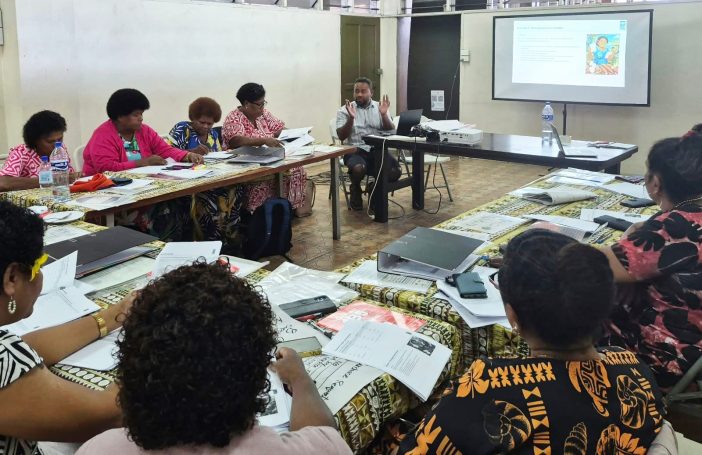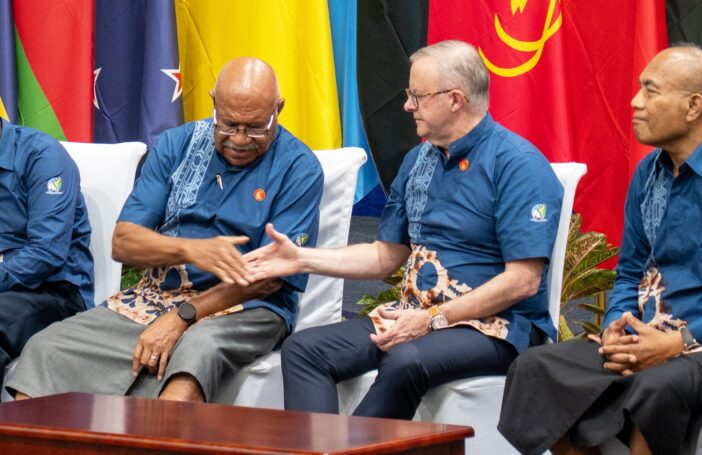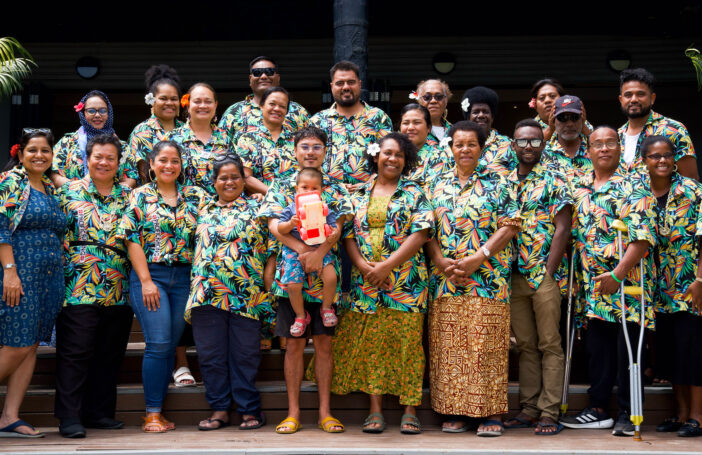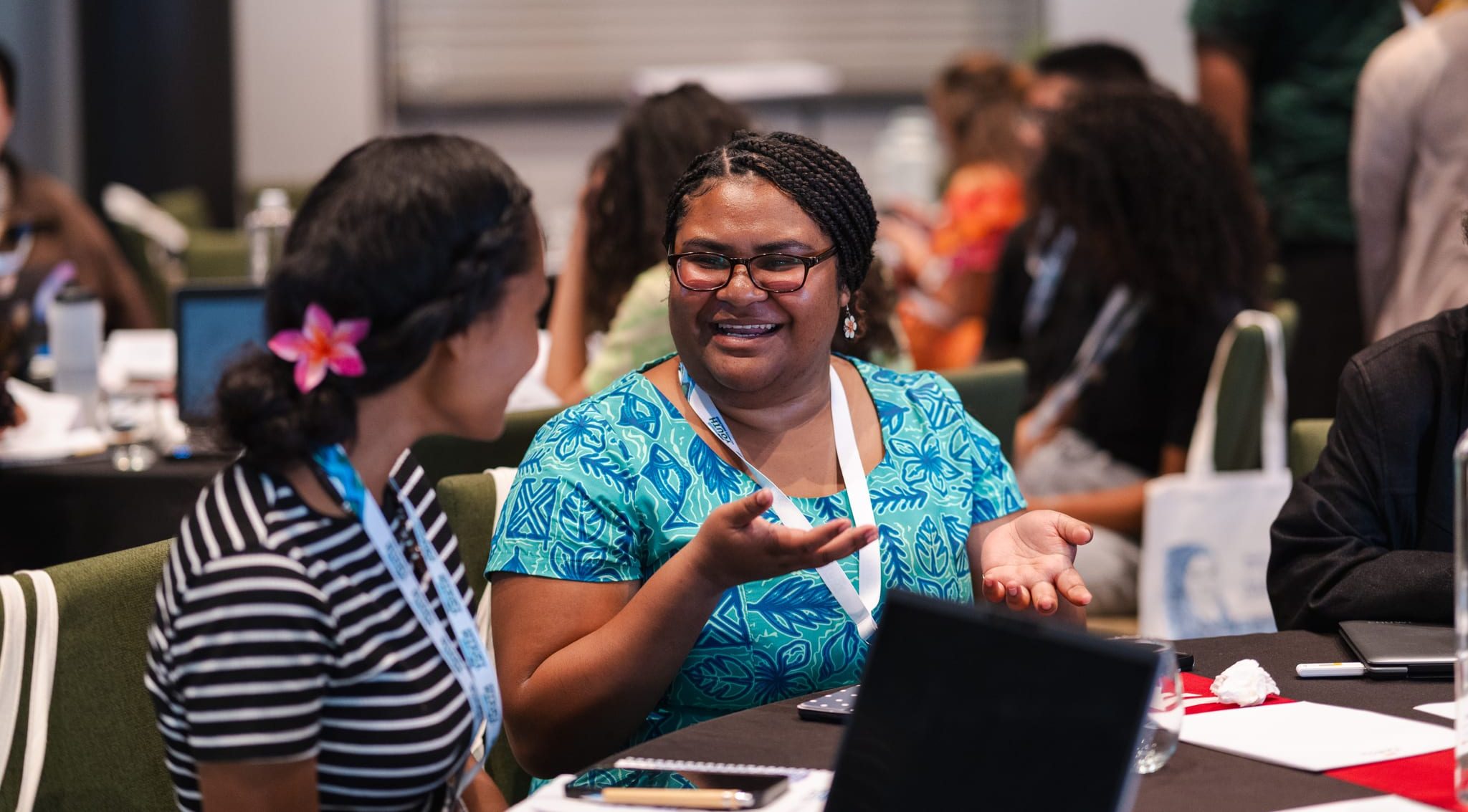
When I travelled to Nadi, Fiji, in October 2026 for the Pre-COP31 Australia Pacific Youth Climate Dialogue, convened by the United Nations Children’s Fund with the governments of Fiji and Australia and regional partners, I knew I was carrying more than my own perspective. I was carrying the experiences and concerns of Papakana, a community in Babaka Village in Papua New Guinea’s Central Province, where daily life is closely tied to the land, the ocean and the freshwater systems that sustain us. COP31 was the 31st Conference of the Parties to the United Nations Framework Convention on Climate Change.
For communities like mine, climate change raises urgent questions about freshwater security, food production, coastal livelihoods and the future we can offer the next generation.
I was in Nadi for Voices of the Soil, the youth-led initiative I co-founded, which runs a climate-resilient agriculture pilot in Papakana and climate education sessions in Babaka Village. That work let me connect local realities with regional conversations about climate governance, finance and Pacific leadership. I also served on the drafting committee for the youth outcome statement. Although our islands are separated by vast distances, I was struck by how familiar the challenges sounded: climate impacts, access to finance and participation in decision-making.
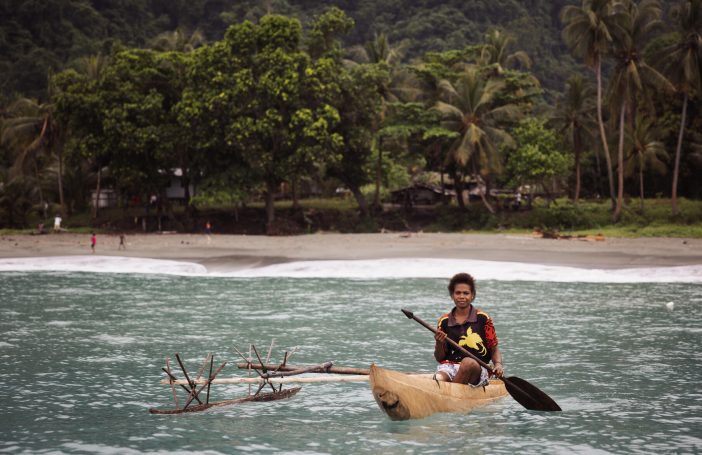
Our conversations reinforced the idea of One Solwara, one ocean. The ocean connects our islands, sustains our livelihoods and carries our cultural knowledge. Yet sharing an ocean does not mean experiencing climate impacts equally. Communities have different levels of exposure, resources and institutional support to prepare for and recover from these impacts.
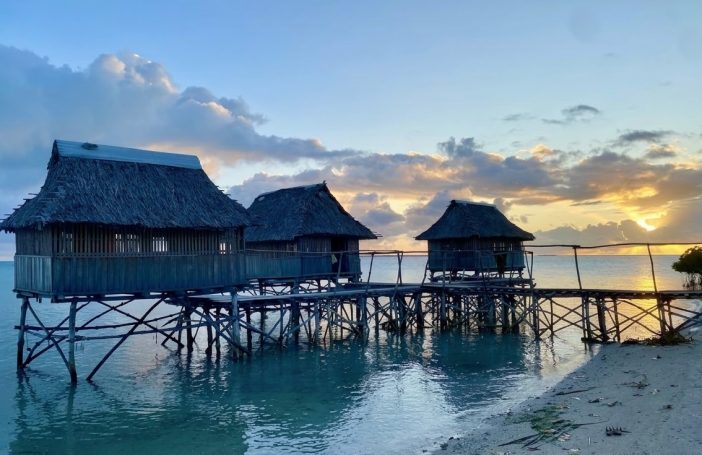
In PNG, climate risks vary between coastal communities, low-lying islands, highland regions and inland areas. Some communities face coastal erosion and saltwater intrusion, while others experience flooding, drought and changing rainfall patterns. For Papakana, freshwater security and resilient food systems are among the most pressing concerns. Adaptation cannot rely on a one-size-fits-all approach.
The dialogue focused on four priorities for Pacific climate action: keeping global warming within 1.5°C, improving access to climate finance, strengthening the ocean–climate nexus and amplifying Pacific voices and leadership. Of these, climate finance was the issue that stayed with me most, because it showed the gap between international commitments and local realities.
Reviews of PNG’s climate governance, including Green Climate Fund readiness assessments, have identified weaknesses in policy coordination and in access to international climate finance. For communities, the question is whether funding systems are designed to reach those with the greatest adaptation needs, particularly rural communities with limited technical capacity and institutional connections.
Climate finance can support water storage, climate-resilient food gardens, local early-warning systems and the protection of coastal ecosystems. Yet communities often struggle to access these resources.
Funding applications can be highly technical, reporting requirements demanding and support frequently concentrated among institutions with greater capacity to prepare projects.
Our own pilot is a small example. It ran from March to June 2026 across five communities in Central Province: Papakana, Rakili, Wainepune, Rilo and nearby Irupara. It combined training in climate-resilient agriculture with financial literacy, small-business development and community leadership. We set out to reach 50 people, 30 women farmers and 20 young people, and reached 37, of whom 26 were women and 11 men. The work was funded by a micro-grant of up to USD2,000 from the Youth Empowerment in Climate Action Platform (YECAP), a regional platform set up by the United Nations Development Programme in the Asia-Pacific with UN and youth partners to support young people leading climate action, together with in-kind contributions from community leaders and participants. That sum covered training, materials and practical agricultural support, and the rest was volunteer time.
The larger funds that exist for exactly this kind of adaptation are out of reach for a group without an audited account, an accredited partner or someone able to write a proposal in the form a fund requires. Increasing financial commitments matters, but so does ensuring that resources reach the communities facing the greatest adaptation challenges.
The pilot was never meant to be more than this: a test of whether a practical model for strengthening women’s livelihoods and community resilience can work, and whether it could later be scaled through partnerships and climate finance.
PNG’s National Adaptation Plan provides a framework for strengthening resilience and building adaptation into development planning. The challenge lies in translating national priorities into local action. This requires stronger connections between government agencies, development partners and community organisations, as well as opportunities for communities to shape how adaptation initiatives are designed and run.
For a low-lying coastal community such as Papakana, adaptation planning must consider the links between freshwater security, coastal vulnerability and food production. Saltwater intrusion, coastal flooding and prolonged dry periods place increasing pressure on livelihoods. Understanding these challenges requires both scientific evidence and local knowledge from the people observing changes in their environment every day.
For me, this is where locally led adaptation becomes a practical necessity. Communities should not simply receive assistance; they should help identify priorities, shape solutions and assess whether interventions are working.
As someone who had a seat at the table in Nadi, I believe youth participation must extend beyond attending conferences or sharing personal stories. Young people, Indigenous communities, women and other frontline groups need opportunities to influence decisions that affect their futures.
I returned home with new knowledge, new relationships and a renewed sense of responsibility. Regional dialogue matters, but its value depends on whether commitments translate into action.
As we look towards the outcomes of COP31 in Antalya, where Australia presided over the formal negotiations under the Türkiye–Australia compromise, success should be measured by whether communities on the frontlines of climate change see improvements in their daily lives.