In our database of reported sorcery accusation-related violence (SARV) incidents across four provinces of Papua New Guinea (PNG), sickness or death was the immediate trigger in almost 90% of cases. But almost any misfortune can become a trigger — a bus breaking down, a business failing, or poor performance in a child’s studies.
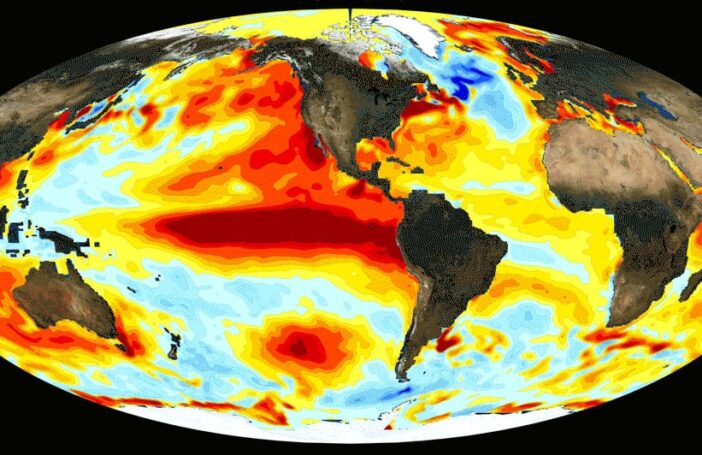
Do the impacts of drought also act as triggers of accusation? If so, what does this mean for the coming supersized El Niño season that is likely to bring drier-than-normal conditions through the coming months?
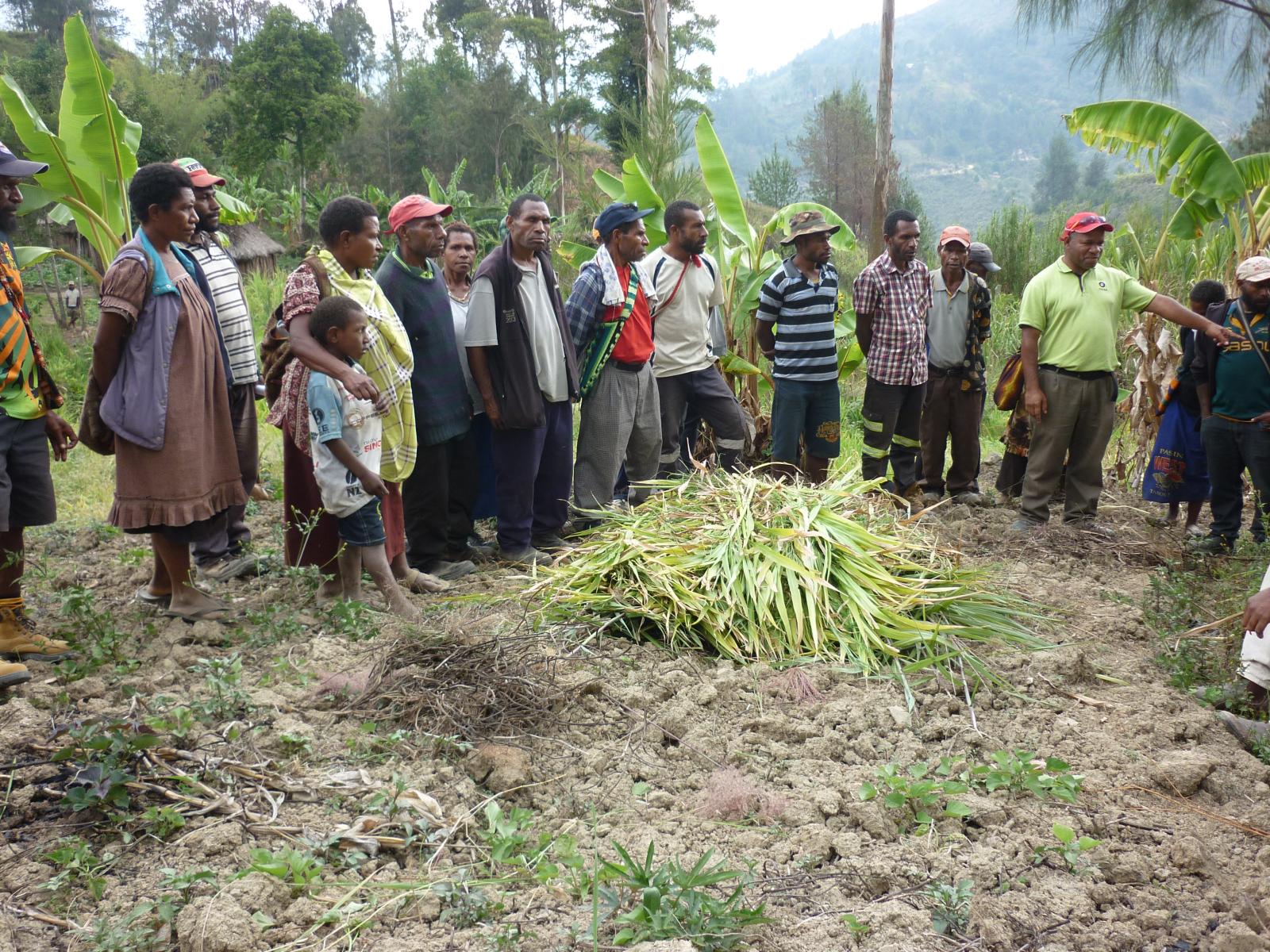
There have been instances in the past of people being accused of sorcery in PNG after crops fail or animals become sick and die. In our dataset of cases gathered over four years in four provinces from 2016-2020, we recorded one case of a victim being accused of destroying food crops, coffee trees and yard trees, and an additional five cases of a victim being accused of killing a pig or pigs.
More recently, in September 2026, a clearly drought-related SARV case occurred in Simbu province. One of us interviewed a local healthcare worker who recounted the story. After a period of drought, several families experienced poor harvests. The community garden was also not doing well, and some pigs became sick. A few people blamed these events on an older woman. Rumours spread quickly; someone even put it on WhatsApp. Some of the families whose gardens had produced less sweet potato than usual and whose pigs had become sick confronted the woman and threatened her, calling her a sanguma. They asked her why she did this, asking her to stop and confess. They yelled at her, pushed her, kicked her, then tied her hands together. She was put in a house and locked in while people went to get “evidence.”
When the healthcare worker came back with some help several hours later, she found the older woman tied up in a common area in the village. She was bleeding and crying. They managed to rescue her the next day, covered in cuts and burns. The healthcare worker said they carried her to the clinic, cleaning her wounds, singing songs to her to calm her, and trying to make her warm and praying, but that was all they could do. They did not even have Panadol for her pain.
Is this case a harbinger of things to come?
We actually don’t know as yet. But it does illustrate how drought-related losses can enter the familiar sequence whereby misfortune triggers suspicion, an accusation gathers support, and a person is violently attacked. It is therefore worth asking what scholarship exists on the relationship between witchcraft accusations and climate change.
It is often argued, in both academic and popular writing, that environmental stress leads to more witchcraft accusations, with drought commonly singled out as a cause. But the research actually gives us quite an incomplete picture of the link between climate and accusations. Some studies link extreme weather and crop failures with more accusations or killings; others find that social and political conditions better explain the pattern.
In a large study comparing countries, Gershman found that witchcraft beliefs were more widespread in countries with greater exposure to drought. This suggests a connection between environmental hardship and beliefs about witchcraft. A recent review of accusations against older women in sub-Saharan Africa also identifies crop failure among the many misfortunes that witchcraft may be used to explain.
The available evidence therefore supports treating drought as creating the conditions in which SARV can potentially intensify. Drought can worsen food and water insecurity, illness and disputes over scarce resources, thereby creating more triggers for accusations.
But — and this is critical — whether these pressures will actually lead to accusations and violence will depend not only on the climate, but also on the social relationships, economic pressures and the strength of local and state institutions that maintain social order.
This is because accusations rarely come out of nowhere. They often attach themselves to existing tensions within families or communities. Once someone has been named, the response of local leaders, churches, health workers and police often determines whether the accusation is challenged and stopped or turns violent. So, the same drought-related loss may lead to an accusation in one community but not in another.
PNG’s preparations for the coming dry conditions should therefore include SARV prevention from the outset. The government has already asked provinces and districts to identify vulnerable communities, food-security risks, health effects and appropriate local responses. That planning should also identify trusted people who can intervene if rumours of sorcery accusations begin; establish clear routes to police, clinics, safe houses and human-rights defenders; and prepare locally credible explanations of crop failure, livestock sickness and drought-related illness that do not allow blame to settle on an individual. This would put the preventive approach of PNG’s revised SARV National Action Plan into practice.
Health workers, agricultural officers, pastors, teachers, ward councillors and community leaders all have a role. But people who step in need practical backing and support. They need to know who to call, key messages to disseminate, and how to stay safe while protecting others. Rumours already travel quickly through Facebook and WhatsApp. These same networks could be used to circulate clear information about what drought is doing to crops, animals and people’s health.
El Niño is beyond PNG’s control, but whether or not the dry season is followed by a second, human-made SARV emergency is something that can be controlled.