Theatre in Papua New Guinea has always been more than entertainment — it is a space where communities gather to reflect, teach and engage. Rooted in Indigenous storytelling traditions, performances connect the living world with the spiritual world, offering guidance, moral reflection and dialogue. The Bully Beef Club theatre production, a collaboration between Kove Theatre and Resilient Peers staged at the Moresby Arts Theatre on 18 November 2025, continued this legacy, exploring leadership, communal responsibility and ethical reflection in ways that are deeply Melanesian.
Historically, the Bully Beef Club was a group of early nationalists whose vision and activism contributed significantly to PNG’s independence. In the 1960s, students of the PNG Administrative College, such as Michael Somare and Albert Maori Kiki, were in training for senior public service roles. At the same time, over at the newly established University of Papua New Guinea, Rabbie Namaliu and Vincent Eri were engaged in their undergraduate studies while discussing the future of PNG. It was in these circles that the club began as informal late-night discussions about politics, social justice and the oppressive working conditions faced by Papua New Guineans. It was named after their staple meal — canned corned beef. They didn’t know the discussions would lay the foundation for the creation of PNG’s first-ever political party, the Pangu Pati, in 1967.
Rooted in hausman and hausmeri traditions, their approach valued integrity, dialogue and collective responsibility. They consulted elders, built consensus and acted with accountability to both community and ancestors. These principles guided their political engagement, shaping governance and the social fabric of the newly independent nation.
Theatre played a central role in this process. Performances communicated moral and civic lessons, while inspiring action. Storytelling and symbolic enactments provided a culturally resonant means to engage with sensitive topics, ensuring that learning and reflection were communal experiences.
For Melanesians, the spiritual world actively shapes daily life. Traditional performance — through dance, initiation rituals and storytelling round the fire — offered spaces to explore ethical, social and political questions safely.
Contemporary theatre draws on these methods and aligns with Indigenous relational philosophies. Truth is revealed through layered metaphors rather than literal exposition and dialogue occurs across generations, not just between contemporaries. When used effectively, theatre becomes a powerful space for social reflection — opening avenues for national conversations that might otherwise remain suppressed.
This particular play was written at a moment in time when many Papua New Guineans are questioning the direction of the country. Issues of leadership integrity, governance and long-term vision weigh heavily on the national psyche.
The declaration of independence by PNG in 1975 was built on the hopes of leaders who imagined a nation grounded in community, responsibility, decentralisation and mutual respect. Yet, over time, structural reforms have consolidated power at the national level instead of allowing authority to flow closer to communities. Many constitutional promises remain unrealised.
While PNG celebrated 50 years of independence during 2025, public frustration is growing and our social fabric feels strained. In this context, the play asks: What would our founding leaders say to us today? What values did they carry that we are at risk of losing? And what wisdom might they offer to the leaders of this generation?
The story unfolds through symbolic encounters, dreams and recollections. The spiritual world becomes a bridge — a place where guidance can be offered without assigning blame, where the living can be invited into reflection rather than condemnation. Audiences found this compelling, with one viewer noting: “The set-up of the spirit world talking to the living world and their remorse about how things turned out is brilliant.”
Other reflections also highlighted the broader impact: “That history and that the foundation of this country and its promise back then needs to be taught more, not only in schools but as tok stori and foundational understanding of nationhood. Also that theatre is an effective way to communicate social messages.” One viewer particularly appreciated the perspectives of the partners behind the Bully Beef Club: “The point of view of the wives or husbands and partners of the Bully Beef Club having to hold it down in the homes so that the Bully Beef could do what they did … that’s what I appreciated and learned to be thankful for.”
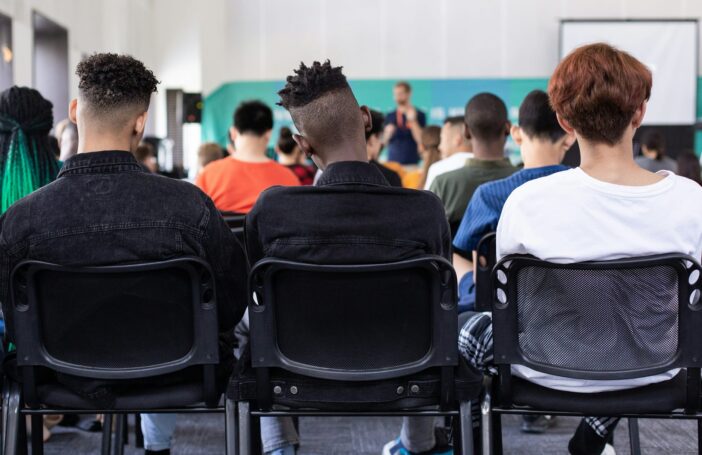
Many expressed happiness and pride in seeing young performers bring such an important story to life. They were even more impressed to learn that most of the performers were amateurs who developed their performances from script to stage through four weeks of hands-on practice under the guidance of the director in his backyard, followed by only two days of stage rehearsal in the theatre. This initiative garnered strong interest in seeing more theatre productions in the future, especially in Tok Pisin, making stories more accessible and culturally engaging.