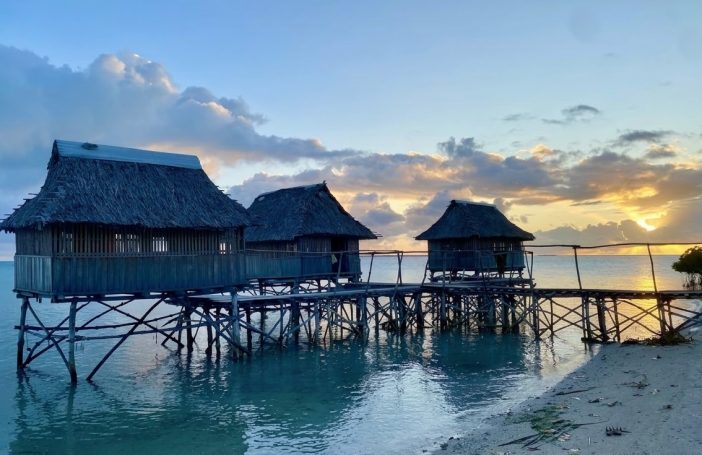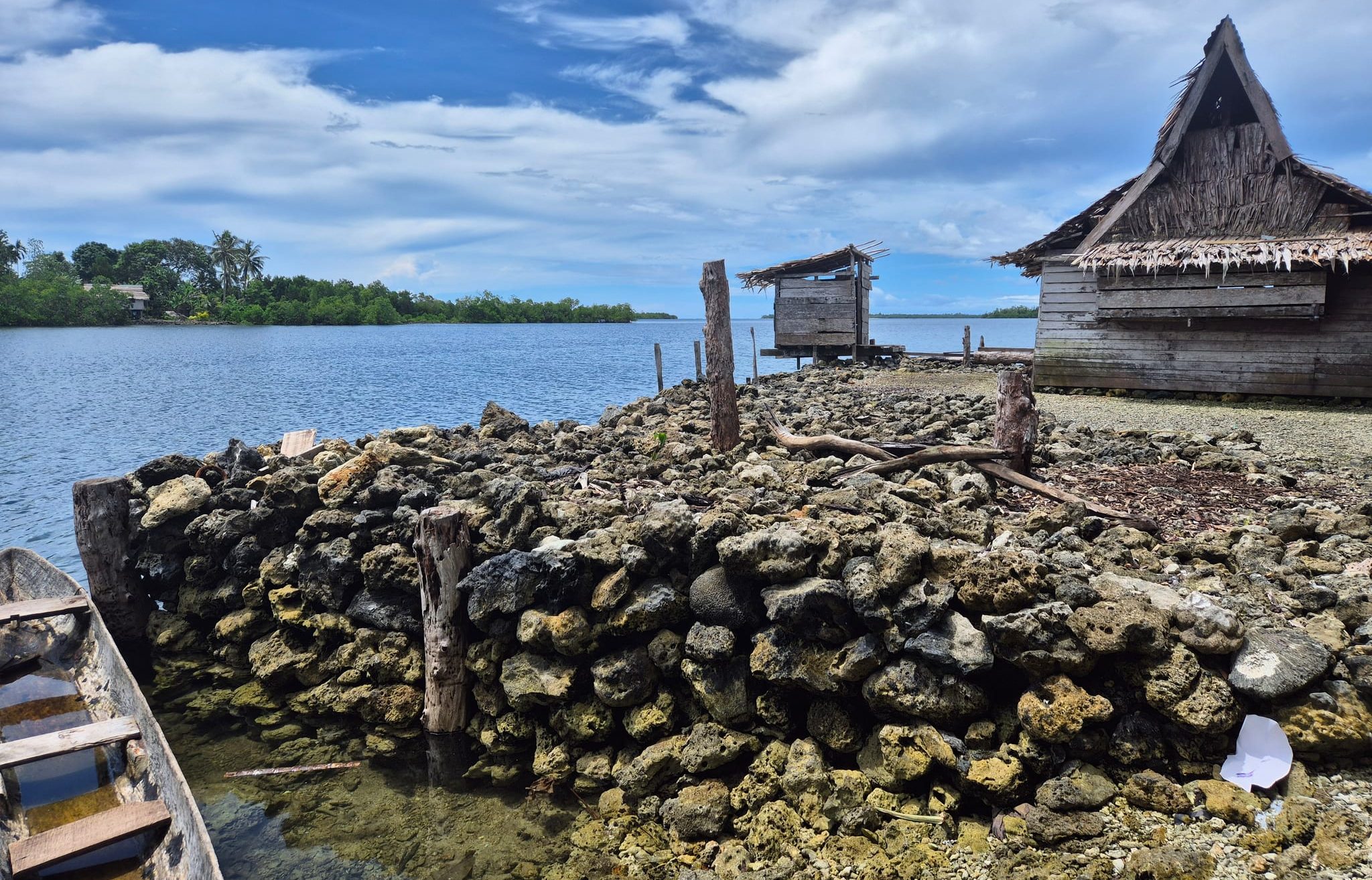
In the coastal community of Maeana, in Solomon Islands’ Malaita Province, the sea is steadily moving inland. Saltwater is contaminating wells, gardens are becoming unusable and a seawall built by the community is no longer holding back the water.
As families look for land further inland, difficult questions are emerging. Who has the right to use that land? Who decides where families can relocate? And how can disagreements be resolved fairly?
For communities whose connection to land stretches back generations, these are deeply personal questions, touching not only on livelihoods, but on identity, belonging and the relationships that hold communities together.
They also raise an important question for Australia: as we invest in helping our Pacific neighbours adapt to climate change, are we doing enough to protect the foundations that help them maintain peace?
Across the Pacific, climate change is increasingly recognised as a security challenge. Rising seas, extreme weather and declining livelihoods are placing enormous pressure on communities. Yet the relationship between climate change and conflict is more complicated than we might assume.
A 2026 study examining Fiji, Solomon Islands and Vanuatu found no statistically significant association between climate-related disasters and recorded conflict events.
This does not mean climate change poses no risk to peace, or that communities are free from tension. Rather, it raises a further question: how are Pacific communities managing these pressures, and what helps stop disagreements from escalating into violence?
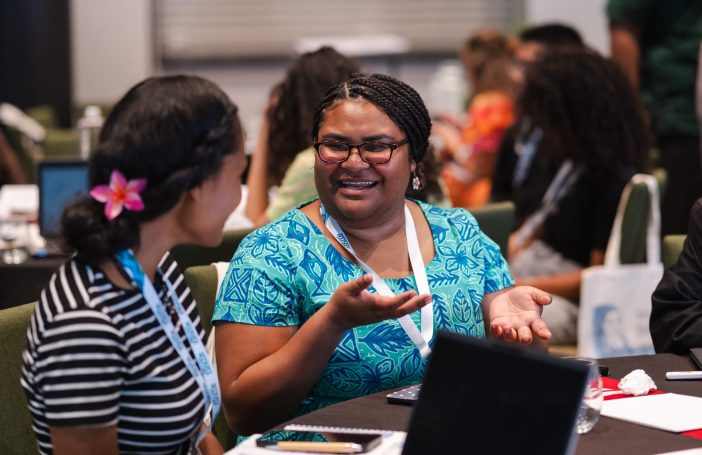
New research commissioned by World Vision Australia, undertaken with World Vision Solomon Islands, offers some answers. Drawing on consultations with about 150 community participants and a survey of 106 World Vision staff and associates, the research examines how climate pressures interact with existing challenges around poverty, land ownership, inequality and livelihoods.
Its central finding is that the relationships, traditions and support networks that have held communities together for generations are their greatest strengths in responding to climate change.
In Solomon Islands, the wantok system is built on mutual responsibility, with families and communities sharing food, labour, shelter and other resources during difficult times.
Traditional leaders help resolve disputes, churches bring people together and women’s savings groups provide financial support when households experience hardship.
These networks are not simply part of community life. They are essential to how communities adapt, recover and maintain stability.
But they are also coming under growing strain. When crops fail or fishing grounds deteriorate, families have less food and income to share.
When rising seas force people to move, longstanding questions about customary land ownership resurface. And when disasters become more frequent, community leaders face harder decisions about allocating scarce resources.
These pressures rarely produce overnight conflict. Instead, they can gradually weaken the trust, cooperation and traditional systems that help communities resolve disagreements before they escalate.
That is the warning at the heart of World Vision’s report, “When the Centre Frays: Climate Security and Corrective Balance in Solomon Islands”, and it is why protecting peace requires more than responding to the physical impacts of climate change.
The research also reveals a further challenge: the systems that hold communities together do not always work equally for everyone.
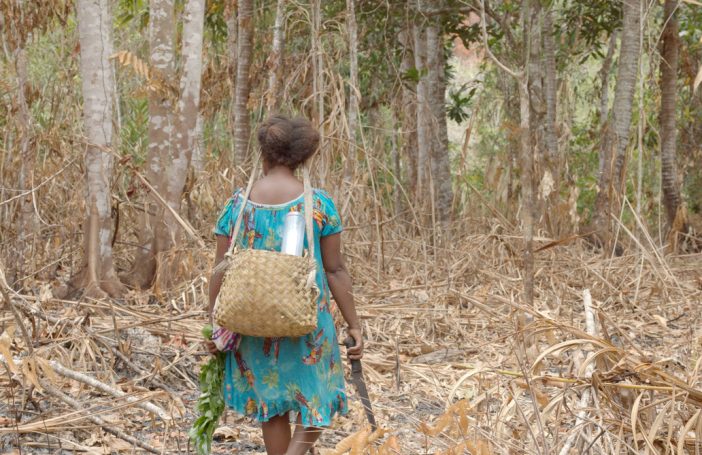
In Maeana, women described building stone walls, relocating gardens and digging drainage channels to protect their community from rising seas.
Yet despite carrying much of the burden of climate adaptation, they remain largely excluded from decisions about land and resources that directly affect their lives.
Young people, too, face declining rural livelihoods and limited economic opportunities, while often having little influence over decisions about their futures.
Strengthening community resilience therefore cannot simply mean preserving traditional systems. It must also mean challenging existing power imbalances and ensuring women, young people and marginalised groups have a genuine say in decisions about land, resources and the future of their communities.
For Australia, these findings have important implications.
Through initiatives including the Climate Resilient Communities program, the Australian Humanitarian Partnership’s Disaster Rapid Emergency Appeal and Response Fund for Disaster Response, Emergency Preparedness and Resilience program and its contribution to the Pacific Resilience Facility, Australia is already investing in climate adaptation and disaster resilience.
These investments are essential. Communities need reliable water supplies, sustainable livelihoods and infrastructure capable of withstanding climate impacts.
But a seawall cannot resolve a dispute over ancestral land. A new water supply cannot, on its own, restore trust between families. And physical infrastructure cannot replace the networks people depend on when disaster strikes.
World Vision’s research points to three practical opportunities to strengthen Australia’s approach.
The first is to recognise inclusive community relationships and local institutions as essential climate adaptation investments, with a defined share of long-term, flexible funding supporting locally led governance, women’s networks and community organisations that help manage resources, resolve disputes and strengthen cooperation within and between communities.
The second is to consider the effect of climate projects on community relationships from the outset: alongside technical and environmental assessments, program design should examine customary land arrangements, existing tensions, gender inclusion and how decisions about resources and benefits are made.
The third is to broaden how we measure success. The number of seawalls built, water systems installed or livelihoods supported matters, but we should also ask whether investments strengthen trust, improve inclusive decision-making and help communities manage disputes before they escalate.
This is not about choosing between infrastructure and community resilience. It is about recognising that lasting climate adaptation depends on both.
Earlier this year, I argued that peace is one of Australia’s best investments. Our research in Solomon Islands points to the next step: making conflict sensitivity a baseline, and conflict prevention an explicit objective, of how Australia designs and measures its Pacific climate investments.
For a farmer in Malaita, security is inseparable from the land that houses and feeds his community and holds the memories of generations before him.
As he put it: “Security is this very land that houses and feeds our community, it’s where our ancestors lie.”
As rising seas threaten that land, Australia has an opportunity to help protect something equally important: the relationships that enable communities to face uncertainty together.
Preventing conflict is not only about responding when tensions emerge. It is about strengthening the foundations that help stop those tensions becoming violence in the first place.