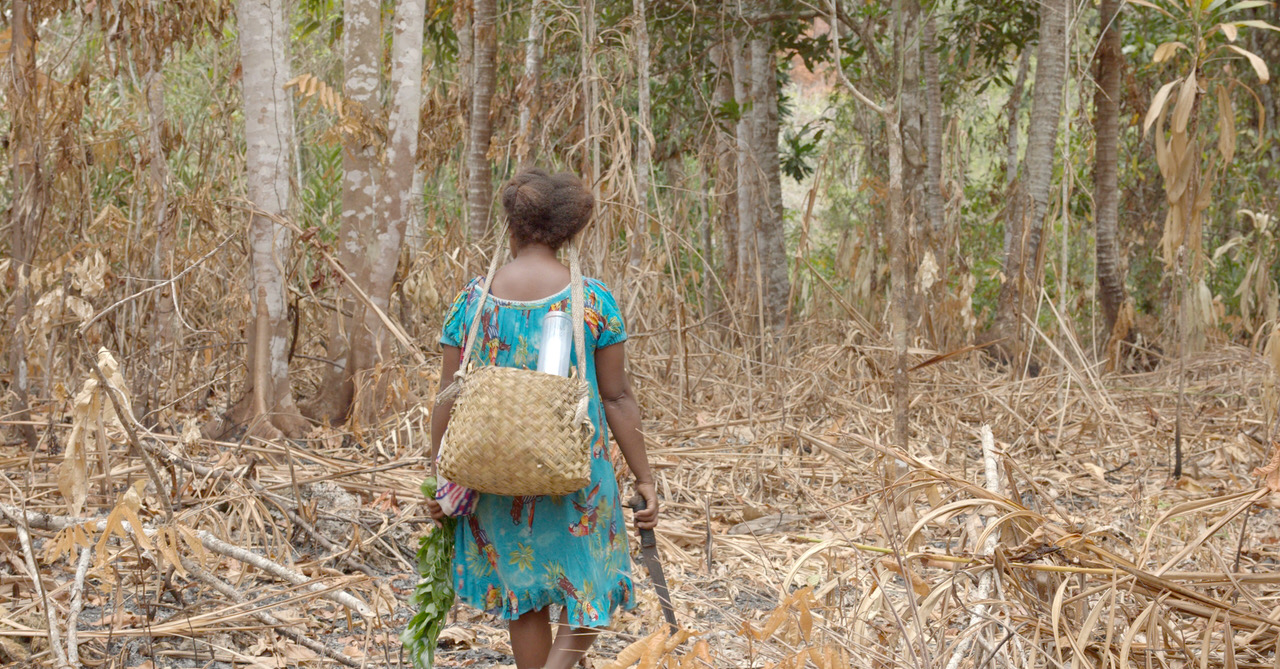
Papua New Guinea’s New Ireland province has been starved of rain for six months. Caused by a record-breaking El Niño, today’s drought is more than unusual for this (typically) tropical island. It is devastating.
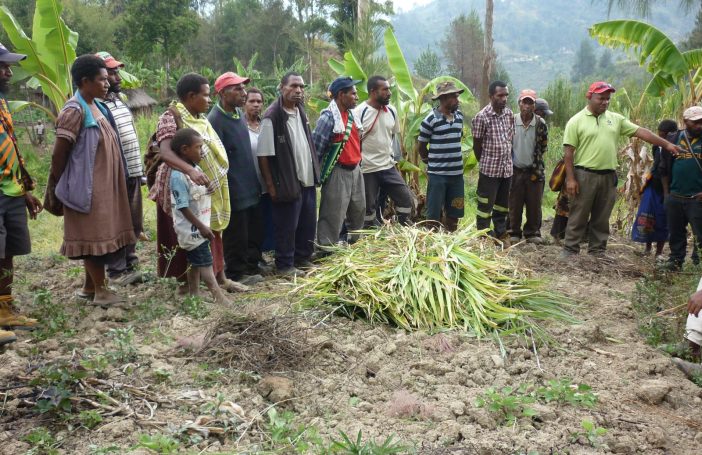
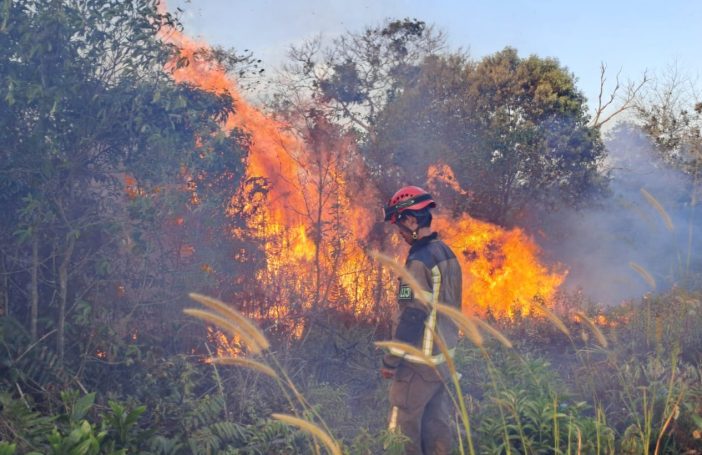
Lush, productive rainforests are shrivelling into brown scrub. Water tanks lie empty, warping under a beating sun. A thick haze caused by persistent forest fires hangs over the island. School days have been shortened. And for many, the gardens are empty.
Amid this intensifying drought, the ocean provides an essential lifeline for New Ireland’s coastal communities. As an alternative source of food, income and hygiene, the ocean helps insulate New Ireland from the worst effects of drought and relieves some of the pressures otherwise placed on land.
In short, as terrestrial gardens dry up, ocean gardens are safeguarding local lives.
But at a time when the ocean could not be more critical for the people of New Ireland, this ecosystem is also under threat. What does this mean for community resilience into the future? What is at risk if solwara (ocean) gardens fall into distress?
On the east coast, the threat is toxic water. In December 2025, residents started noticing sick and dying marine life washing up on the shore. This coincided with a surge in people becoming ill on contact with seawater, with hundreds reporting symptoms including skin welts, rashes and severe itching.
What was unfolding was a widespread ocean pollution crisis that has continued for months.
In January this year, provincial authorities declared Kafkaf – a village near the capital Kavieng – an environmental hazard and contamination zone. The polluted waters were described as a “multi-sectoral environmental public health and environmental emergency”, with residents advised to avoid selling or consuming seafood.
Warnings of ocean contamination soon spread down the coastline. Fisherfolk struggled to sell their catch at market and families steered away from seafood where they could.
When drought hit the province months later, little about the causes or health impacts of this toxic water crisis had been resolved. That remains the case today.
A preliminary report released by the PNG Conservation and Environment Protection Authority in April suggested multiple environmental factors contributed to the situation. These included nutrient pollution from land-based sources, abnormal water chemistry from underwater reef vents and possible bacterial contamination. These findings remain unconfirmed, with residents still waiting on a long-promised final report.
While many questions remain over pollution across New Ireland’s eastern waters, the preliminary report does identify nutrient runoff from land-based industries — “particularly palm oil plantations” — as a likely contributor. If the final report confirms this, there are concrete ways to reduce exposure to similar crises in future, through controlled pesticide and herbicide use, strong regulation and effective runoff management.
Almost a year since the mass fish deaths started, many east coast communities have found themselves with little option other than to return to the ocean. Communities recognise the risk involved. But without answers, and with little if any government support, where else are they to turn?
On the west coast, the threat is deep-sea mining. Proposals to mine the seabed there have stubbornly persisted since the mid-1990s. This is despite continued community opposition to deep-sea mining (DSM) and the spectacular collapse of Nautilus Minerals in the 2010s.
Though the PNG prime minister announced a ten-year moratorium on DSM in 2019, contractors have again returned to the Bismarck Sea since 2024. The most prominent of these is Deep Sea Mining Finance, the company that acquired Nautilus Minerals’ licences, including the Solwara 1 site, after its collapse.
Like their predecessors, today’s DSM contractors are interested in hydrothermal vents located on the seafloor, which contain deposits of minerals such as copper and gold. Mining these vents would require removing them from the seabed, including the marine life nestled on or within them.
For a host of reasons, it is difficult to get a clear picture of the extent and severity of impacts proposed DSM activities may have on New Ireland’s oceans. Outdated assessments from the early 2010s do not reflect evolving scientific knowledge about deep-sea ecosystems or new industrial innovations. Government agencies have repeatedly tried to block the release of key documents relating to New Ireland’s DSM site, including the environmental permit (an obstruction ruled unconstitutional in 2023 and reaffirmed by the PNG Supreme Court this September). And there is still much we do not know about hydrothermal vents, their connection with other ocean ecosystems and their sensitivity to disturbance.
However, at this time of drought, west coast communities are sure about the vital importance of a healthy ocean.
Sharkcallers from the Wokisok Association have repeatedly raised concerns about the harm DSM poses for ocean ecosystems and how this may imperil community resilience in the face of climate extremes. They recognise that without the ocean, their experience of drought would be far more severe. This has driven a resurgence of opposition to DSM — not just for environmental health but for community survival.
Severe drought conditions are expected to continue in New Ireland until the first quarter of 2027, with the worst impacts yet to come.
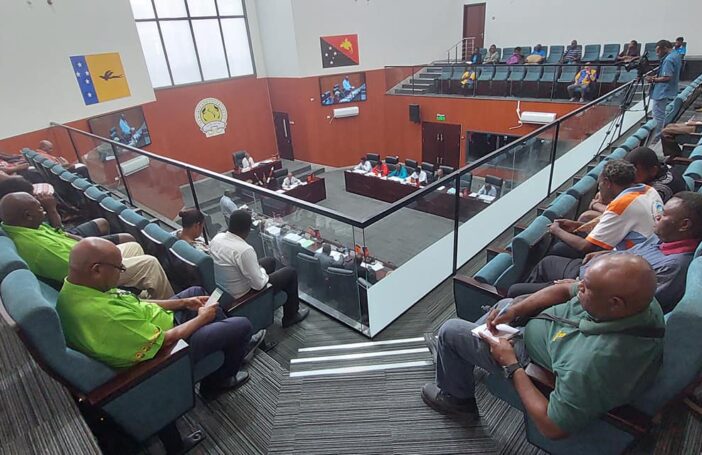
In the immediate term, a state of emergency has been declared in the province and a food relief program is being rolled out. Nationally, the PNG government has declared the drought a national humanitarian emergency and donor partners, including Australia, have offered relief packages.
These are necessary short-term responses that demand swift, effective implementation — not only at the administrative level, but delivered to communities.
Yet, looking forward, we must not forget the vital role healthy oceans play for sustenance, livelihoods and resilience. Ocean gardens have helped safeguard New Ireland communities from the worst of today’s drought. Their continued protection and responsible management will be essential for facing future climate shocks.
This article is dedicated to the people of Kono. Special thanks to the Wokisok Association, Jonathan Galka, Angela Hoten, Ng Mei Jia, Lisa Rave and Karin Hassfurther.